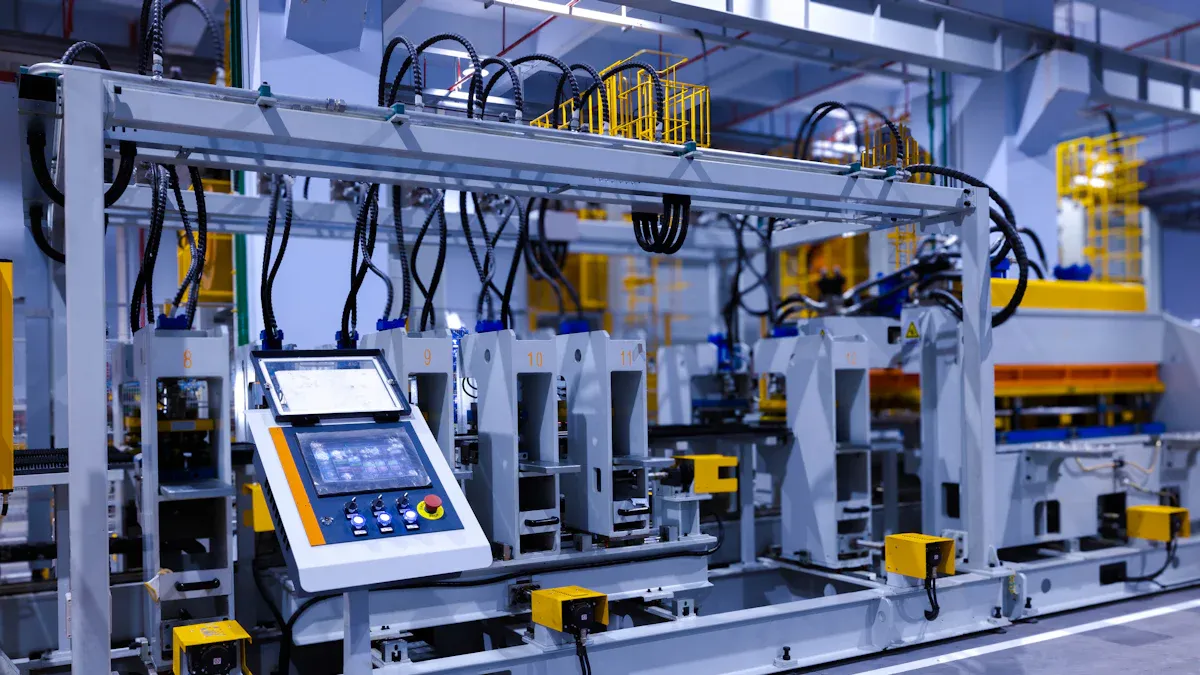
Giving clear details is important when you ask for a non woven bag making machine quote. You help suppliers know what you want by telling them your non-woven production goals. You should say what non-woven bag types you need, the sizes, and any features you want. You make things easier if you get all your non-woven material details ready before you ask.
Write your non-woven bag types.
Write your non-woven production goals.
Point out special non-woven features you want.
Key Takeaways
Make sure you know your non-woven bag types and sizes first. This helps suppliers know what you need. They can give you the right choices.
Tell the supplier how many bags you want to make each minute. This helps them pick the best machine for your business.
Share your budget at the start. This lets suppliers show you machines you can afford. It also helps you avoid surprise costs.
Think about what technology and automation you want. Fully automatic machines use less workers and work faster. Semi-automatic machines can cost less at first.
Always look at all quotes closely. Watch out for extra costs like shipping and training. This helps you pick the best deal for your non-woven bag making needs.
Key Details for a Non Woven Bag Making Machine Quote
If you want a good quote for a non woven bag making machine, you need to get some important details ready. These details help suppliers know what you need and give you the best choices for your non woven bag making business. You should think about bag types, sizes, how many bags you want to make, technology, raw materials, and your budget. Each part is important for the price and how well your machine works.
Bag Types and Sizes
Start by writing down the types of non-woven bags you want to make. There are many kinds of bags in the non woven bag market. Here are some common types you might need:
Non-Woven Tote Bags: Good for shopping and daily use.
Non-Woven D-Cut Bags: Soft handles, used instead of plastic bags.
Non-Woven W-Cut Bags: Eco-friendly, made from good materials.
Non-Woven U-Cut Bags: Light, good for food delivery and takeout.
Non-Woven Box Bags: Strong and shaped, good for heavy things.
Non-Woven Drawstring Bags: Used for packing and sports.
You also need to tell suppliers what sizes you want. Non woven bag making machines can make many sizes. You can use a table to show your size needs:
Bag Height
Bag Width
Side Gusset
180-450mm
180-550mm
80-220mm
If you want special sizes, you should say so. This helps suppliers match the machine to your needs and stops extra costs later.
Production Capacity Needs
You must choose how many bags you want to make each minute. Most non woven bag making machines can make 40 to 100 bags every minute. If you want your business to grow, you may need a machine that makes more bags. When you tell suppliers your goals, they can suggest the right machine. This also changes the price and what the machine can do.
Tip: A steady production capacity means your machine works well and does not stop a lot. This keeps your costs low and helps your business get bigger.
Feature
Description
Stable Production Capacity
Keeps your output steady and stops downtime.
Customizable Solutions
Lets you make different bag types and sizes.
Quality Assurance
Makes sure your machine is good and works well.
Technology and Automation
You should think about what technology and automation you want. New machines have smart features that make work easier and faster. Here are some options you can pick:
Feature
Description
Automatic deviation correction
Uses sensors to keep fabric straight.
Programmable logic controller
Lets you set bag size and speed easily.
Automatic punching
Makes neat D-cuts or holes.
High-speed production
Makes more bags in less time.
Energy efficiency
Saves power and lowers your costs.
Material versatility
Works with many types of non-woven fabrics.
Ultrasonic welding
Seals bags without sewing, making them strong and smooth.
Automated production
Handles everything from feeding to stacking.
Heat sealing technology
Makes strong seams and handles for tough bags.
The level of automation changes the price and how the machine works:
Automation Level
Performance Impact
Price Impact
Fully Automatic
Works faster, needs less help from people
Costs more because of new tech
Semi-Automatic
Needs more workers, slower and less steady
Costs less, but you pay more for workers
If you want to save on worker costs and make more bags, you should pick a fully automatic machine. If you do not have a lot of money, a semi-automatic machine can work, but you will pay more for workers.
Raw Materials and Preferences
You need to tell suppliers what kind of non-woven material you want to use. The most common material is polypropylene (PP), which is strong and cheap. Some businesses use nylon or recycled PET for eco-friendly bags. Your choice of material changes the price, how the bags look, and how strong they are.
Type of Non-Woven Bag
Primary Raw Material
Characteristics and Applications
PP Non-Woven Bags
Polypropylene (PP) Resin
Cheap, popular, made with spunbond technology.
Nylon Non-Woven Bags
Nylon (Polyamide) Fibers
Strong, stretchy, good for tough uses.
Stitchbond Bags
Polyester or PP Yarns
Mixes textile and non-woven tech for strong bags.
PET Non-Woven Bags
Recycled PET
Eco-friendly, made from recycled bottles.
You should also think about what you want your bags to do. Some bags need to be waterproof, light, or extra strong. These choices can change the price and the machine you need.
Property
Description
Durable
Handles heavy things without tearing.
Lightweight
Easy to carry and ship.
Waterproof
Good for all weather.
Cost per kg
About Rs. 10-12 for polypropylene fabric.
Additional Costs
Includes glue and thread for putting together.
Budget and Investment Range
You should always tell your budget when you ask for a non woven bag making machine quote. When suppliers know your budget, they can suggest machines that fit your price. This saves you time and helps you avoid machines that cost too much. Your budget also helps suppliers pick the right features and technology for you.
Note: Giving a clear budget helps you get a non woven bag making machine quote that fits your needs and stops hidden costs.
You should also think about extra costs, like shipping, installation, and training. These can add to your total cost. If you plan for these costs, you can avoid surprises and keep your business growing.
By getting these key details ready, you make it easier to get a good non woven bag making machine quote. You also help your business pick the best machine for your needs and the growing non woven bag market.
Communicating Requirements to Suppliers
Structuring Your Inquiry
You need to organize your inquiry before you send it to a supplier. A clear structure helps you get a fast and accurate non woven bag making machine quote. Start with a short introduction about your non woven bag making business. Tell the supplier what you want to achieve in the non woven bag market. List your main needs, such as the types of non-woven bags, sizes, and your budget. You should also mention if you want eco-friendly bags or special features. This makes it easy for the supplier to understand your goals and suggest the right non woven bag making machine.
Sample Structure:
Introduction to your business and growth plans
Types and sizes of non-woven bags
Production capacity and technology needs
Raw materials and eco-friendly requests
Budget and expected costs
Using Clear, Specific Language
You should use simple and direct words in your inquiry. Avoid long sentences. Say exactly what you want. For example, write “I need a machine for eco-friendly non-woven tote bags, size 300x400mm, with automatic handles.” This helps the supplier know your needs and stops mistakes. If you want to control costs, say so. If you want to support eco-friendly growth, mention it. Clear language saves time and helps you get the best non woven bag making machine.
Tip: Use bullet points or tables to show your needs. This makes your inquiry easy to read.
Attaching Specifications or Documents
You can attach files to your inquiry. These files can show your bag designs, sizes, or special requests. Suppliers can use these documents to match the machine to your needs. If you want eco-friendly materials, add a note or a sample. If you have a budget, include your target cost. This helps the supplier give you a quote that fits your costs and supports your growth. Good documents help you get the right machine for the eco-friendly non-woven bag market.
When you get more than one quote, you should compare them closely. This helps you pick the best deal for your business. It also helps you avoid problems with your budget or eco-friendly plans.
Evaluating Price and Hidden Costs
You need to look at the total price and check for extra costs. Some suppliers might leave out things in the first quote. Watch out for these common extra costs: shipping, installation and training, spare parts, and raw materials.
Prices can be very different in each country. Here is a table to help you see the price differences:
Machine Type
Price Range (China)
Price Range (EU/US)
Semi-Automatic Models
$8,000–$18,000
$20,000+
Fully Automatic Lines
$25,000–$60,000
$80,000+
Laminating Add-Ons
+$5,000–$12,000
N/A
Always ask for a full list of costs. This helps you plan your budget and keep your eco-friendly bag business running well.
Warranty and After-Sales Support
A good warranty keeps your money safe and helps your business grow. Most suppliers give a one-year warranty. Some cover 12 months after setup, but not more than 18 months after shipping.
Warranty Type
Duration
Fully Automatic Non Woven Bag Machine
One year warranty
Warranty period for delivered equipment
12 months after completion of erection, not later than 18 months after shipment
After-sales support is also very important. You want a supplier who gives maintenance, spare parts, and technical help. This support keeps your machine working well and stops long breaks in your eco-friendly bag business.
Shipping, Installation, and Training
Shipping, installation, and training can make your total cost higher. Some suppliers add these in the quote, but some do not. Training is very important for your team. Suppliers often teach your team how to use the non woven bag making machine. Good training helps you make more bags and better eco-friendly bags.
Tip: Always check if shipping, installation, and training are in your quote. This helps you avoid extra costs.
Compliance and Certifications
You need to see if the machine has the right certifications. These show your machine is safe and ready for the eco-friendly market. Here are some common certifications:
Certification
Purpose
ISO 9001
Quality management standard
CE
European safety compliance
FDA 21 CFR
Compliance for food-contact applications
EU 1935/2004
Compliance for food-contact applications
ISO 11607
Essential for medical packaging
Other certifications like GRS and FSC are important for eco-friendly bags or recycled materials. Having these standards makes your machine easier to sell and builds trust with customers. It also helps you avoid fines and supports your eco-friendly business.
Making the Right Choice for Your Non Woven Bag Making Business
Matching Machine to Business Needs
You need to pick a machine that matches your business goals. First, think about how many bags you want to make each day. Decide what types of non-woven bags you will make. Check if the machine can keep up with your needs. Make sure it works well for the non woven bag market. Pick a machine that helps your business grow but does not use too many resources.
Here is a table to help you compare important things:
Factor
Description
Level of Automation
Choose between semi-automatic or fully automatic machines.
Budgeting
Plan for the first cost and future costs.
Raw Material Availability
Make sure you can get enough polypropylene or other materials.
Manufacturer Reliability
Pick a supplier who gives good support and quality machines.
Flexibility
Get a machine that can make new bag styles and change with the market.
You should also learn about the market and know who your customers are. Make sure you follow all rules and have the right licenses. Plan your budget so you can pay for all costs.
Tip: A flexible machine helps you change with the market and grow your business.
Considering ROI and Long-Term Value
You need to think about how much money you will make back. This is called return on investment (ROI). Compare different machines to see how they change your costs and profits. Cheaper machines cost less but need more workers and make fewer bags. Expensive machines cost more but save on workers and make more bags.
Here is a table to show the differences:
Machine Type
Initial Cost
Output Capacity
Scalability
Operational Efficiency
Manual / Semi-Automatic
$3,000–$8,000
30–60 bags per minute
Limited
Needs more workers, not steady
Fully Automatic
$15,000–$50,000+
100–300 bags per minute
High
Makes more bags, needs fewer workers
Multi-Function Integrated
$60,000–$150,000
Maximum efficiency
Very high
Does everything automatically
You should look at many quotes before you choose. Think about all costs, even hidden ones like fixing the machine and training workers. A machine that works well and can change gives you better value over time. It helps your business grow and meet new needs in the non-woven market.
Note: Picking the right machine helps you save money, make better bags, and grow your business.
You can get a good quote for a non-woven bag making machine if you follow some easy steps. First, write down the types and sizes of bags you want. Then, tell your goals and what technology you need. Always look at your material details before you ask. Check all your needs before sending your inquiry. Compare each quote for price, help, and features.
Tip: If you plan well, you can pick the best machine for your business.
FAQ
What information do you need to request a quote?
You should tell the supplier about the bag types you want. Say what sizes you need. Share how many bags you want to make. List any technology you want. Tell them what raw materials you like. Give your budget too. Clear details help suppliers give you the best price.
How long does it take to get a quote?
Most suppliers answer in 1 to 3 business days. If you give all the needed details, you get a faster reply. Complete information helps you get a better answer.
Can you customize the non woven bag making machine?
Yes, you can ask for special features. Tell the supplier if you want different bag shapes or sizes. You can also ask for more automation. Custom machines may cost more money.
What is included in the machine price?
The price usually covers the machine, some basic parts, and a warranty. Shipping, setup, and training might cost extra. Always ask for a full list of costs.
Do you need special training to run the machine?
You do not need to be an expert. Most suppliers will train your team. Training helps you use the machine safely and make good bags.