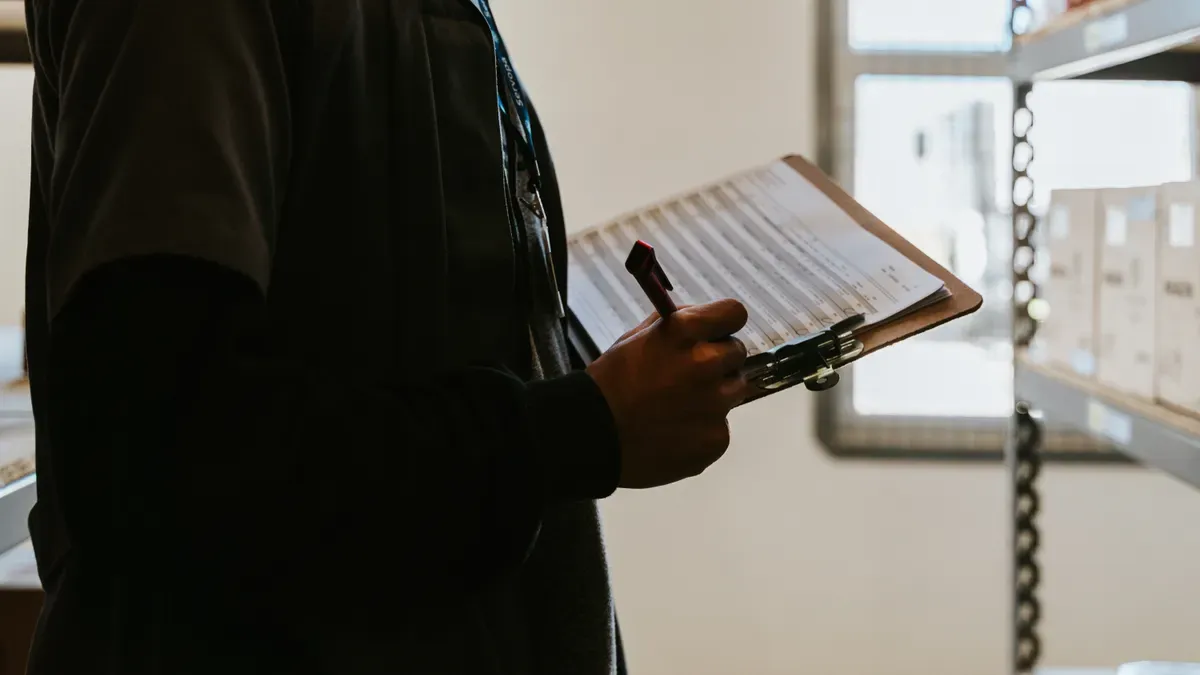
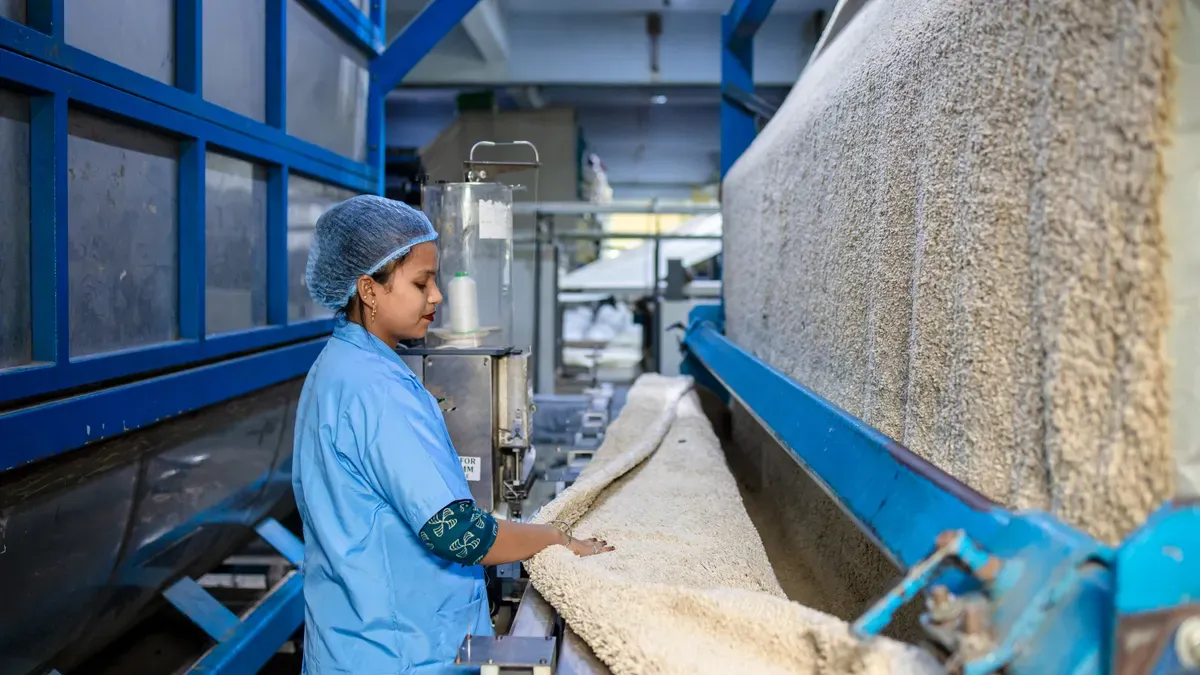
You want your bag making machine to work the same every time. Pre-shipment inspection helps you check quality and stop costly problems. Oyang is a leader in smart, eco-friendly packaging solutions. You can trust the machine to work well and be dependable. Checking each part helps the machine work better and lowers risks. Non woven bag making machine inspection keeps your money safe and helps with easy delivery.
Key Takeaways
Pre-shipment inspection helps protect your money. It finds problems before shipping. This saves you time and money.
Check if your machine meets world rules. Look at compliance papers and quality certificates during inspection.
Check packaging and labeling carefully. This helps avoid delays. It also keeps your machine safe during delivery.
Talk clearly with suppliers and inspectors. This helps fix problems fast. It also keeps the inspection process smooth.
Why Pre-Shipment Inspection Is Essential
Risk Reduction for Buyers
You want your bag making machine investment to be safe. Pre-shipment inspection lets you check the machine before it leaves. This helps you find problems early. You can ask for fixes or changes before shipping. This step protects your money and business. Many buyers use this inspection to lower risks. It helps you avoid expensive shipment problems. You get clear reports that show if the machine is right for you. If you find defects at the factory, you can fix them quickly and for less money. This keeps your supply chain strong and helps you avoid losing money.
Ensuring Compliance and Quality
You need your bag making machine to meet high standards. Pre-shipment inspection checks if the machine follows world rules. The process uses a quality control system to check each step. You can see if the machine matches your approved samples. The inspection also checks all export papers. This helps you avoid legal trouble and keeps your brand strong.
Tip: Always ask for certificates that show your machine meets global standards.
Certification
Description
ISO 9001
Makes sure the process is the same for good quality.
GRS
Checks recycled content and supply chain steps.
FSC
Shows raw materials come from well-managed forests.
Avoiding Delays and Returns
You want your machine to arrive on time and work well. Pre-shipment inspection helps you find problems before shipping. This keeps your production fast and stops last-minute surprises. If you find problems after the machine arrives, fixing them takes more time and money. Early checks help you stay on schedule and work better. You can start using your bag making machine right away and meet your customers’ needs.
Checks bulk orders against approved samples
Makes sure all needed papers are ready
Does random batch checks and looks at packaging
Pre-shipment inspection gives you peace of mind. You know your machine will help your business and help you grow.
First, you count the machines. You check if the number matches your order. You also look at each model name and number. Oyang uses smart tools to help with this. The YOLO models make counting fast and easy. These tools help you find mistakes quickly. They show if the wrong woven pp bag making machine is there. You can trust the system to spot problems and show the right model.
Count every machine and match it to your order.
Look at the model name and number.
Use smart tools to find mistakes.
Make sure the right woven pp bag making machine is ready.
Visual and Functional Checks
You look at each machine carefully. You search for scratches or missing parts. You also check for other problems. You test the machine to see if it works well. Oyang’s smart system helps you find problems fast. You want the bag making machine to work smoothly. It should meet the right quality standards. Here are some problems you might see:
You test the woven pp bag making machine to see if it makes bags right. You check if folding, sealing, and cutting work well.
Packaging and Labeling Review
You look at the packaging during non woven bag making machine inspection. You want the machine packed in strong materials. You check the labels to see if they have the right information. You scan barcodes to make sure they are correct. Oyang’s system helps you find mistakes in packaging and labels. You want the woven pp bag making machine to arrive safely.
Check if the packaging is strong.
Look at labels for the right model and serial numbers.
Scan barcodes to check if they are right.
Documentation Confirmation
You finish non woven bag making machine inspection by checking papers. You look for inspection reports, manuals, and certificates. You make sure all papers match the machine and your order. Oyang gives you detailed reports for each woven pp bag making machine. You keep these papers for later checks and tracking product quality.
Look at inspection reports.
Check manuals and certificates.
Make sure all papers match the machine.
Tip: Always keep your inspection papers safe. They help you fix problems and prove your product is good.
PSI Checklist for Oyang Machines
A good psi checklist helps you check your Oyang bag making machine. You want to look at everything before it ships. This keeps your money safe and makes sure the quality stays the same. Follow these steps to get the best results from your pre-shipment inspection.
External Packaging Integrity
First, look at the outside of the packaging. You want the bag making machine to arrive without damage. Check if the box is strong and wrapped well. Look for any dents, tears, or weak spots. Make sure the packaging can stop bumps and water during shipping.
Some problems you might see are:
Unstable feeding
Too much glue waste
Handle not straight
High labor costs
Product quality changes
If you see these problems, ask for better packaging or more protection. Good packaging keeps your machine safe and ready to use.
Machine Component Inspection
Next, open the box and check each part of the bag making machine. Look for scratches, dents, or missing parts. Make sure all parts are on the packing list. Oyang machines use smart systems, so check sensors and control panels for damage. Test moving parts to see if they work well. Every part should fit and move the right way.
Use this checklist when you inspect:
Look at the frame and body for dents or cracks
Check the sealing and cutting units
Test the smart detection system
Check the automation controls
Make sure the waste recycling system is there
Careful checks help you find problems early and keep your machine working well.
Accessory and Spare Parts Check
Your bag making machine comes with extra parts and tools. These help you keep the machine working. Open each box and count every item. Match them to the list from Oyang. Look for tools, extra blades, belts, and manuals. Make sure nothing is missing or broken.
A good psi checklist for accessories has:
Extra cutting blades
Extra belts and rollers
User manuals and quick guides
Tool kits for fixing the machine
Safety gear, if it comes with the machine
Having all the right parts helps you fix small problems fast and keeps your work going.
Operational Testing
The last step is to test the bag making machine. Turn it on and watch how it works. See if the machine starts fast and runs without weird sounds. Use the control panel to try different things. Make sure the automation works, like packing, sealing, and palletizing. Watch the smart system to see if it finds errors or jams.
You want to see:
Smooth feeding of materials
Even sealing and cutting
Fast and correct bag making
Little waste and high efficiency
Eco-friendly work with the recycling system
If the machine passes all these tests, it will help your business grow. A full psi checklist gives you peace of mind and helps you do well.
Labeling, Compliance, and Documentation
You have to check all labels and papers before shipping. These steps help you follow the rules and keep your business safe. Oyang always uses world standards. Careful checks protect your money and help you avoid trouble at customs.
Compliance Labels and Safety Marks
Find compliance labels on your machine. These labels show the bag making machine follows important rules. You should see marks like CE, ISO, or other safety signs. These marks mean the machine passed tests for safety and quality. If you do not see these marks, ask your supplier for proof. You want to know your machine is safe and ready for your country’s rules.
Tip: Always look for warning stickers and emergency stop signs. These help keep you and your team safe when using the machine.
User Manuals and Certificates
You need a user manual with your bag making machine. The manual tells you how to use the machine and stay safe. It should be easy to read and in your language. You also need certificates that show the machine passed quality checks. Oyang gives you all the right papers, so you can trust your machine. Keep these papers in a safe place for later.
User manual in English or your language
Quality certificates (like ISO or CE)
Safety instructions and emergency steps
Packing List and Invoice
You need a clear packing list and invoice for customs. These papers show what is in each box and prove you own the machine. The packing list and invoice must have:
Requirement
Description
Detailed description
Name, grade, quality, and marks of each item, plus package details
Quantities
Amounts in weights and measures
Purchase price
Price in the right currency
Country of origin
Where the machine was made
Itemized charges
All costs, like freight and insurance
Invoice language
English or a correct translation
Packing list
Contents of each package
Weights and measures
Needed for duty assessment
Discounts
Any discounts on the machine
Check these things before you ship. This helps you clear customs and keeps your bag making machine safe during delivery.
You want your bag making machine to get there safely. You need to keep the machine still inside the shipping container. Use strong straps or blocks so it does not move. Put the machine on a flat, steady base. This stops it from sliding or falling over when moving. Ask your supplier to use wooden pallets or metal frames. These supports help protect the machine from bumps on the road.
Tip: Take pictures of the machine after it is loaded. These pictures help if you need to make a claim.
Moisture and Shock Protection
Water can hurt your bag making machine. You should cover it with plastic wrap or waterproof covers. Put desiccant packs inside the packaging. These packs soak up extra water. You also need to keep the machine safe from bumps. Add foam padding or air cushions around the machine. This padding helps stop damage from shocks.
Before you close the container, count every bag making machine. Make sure the number matches your order and packing list. Check each serial number to see if anything is missing. Write down what you find and keep a copy. This step helps you avoid problems at customs and when the machine is delivered.
Note: Always check the packing list with the real machines. This makes sure your shipment is right and complete.
Defect Classification in Pre-Shipment Inspection
Critical, Major, and Minor Defects
You need to know the types of defects you might find during a pre-shipment inspection. Classifying defects helps you decide what to do next. You can group defects into three main types: critical, major, and minor.
Here is a simple table to help you understand each type:
Defect Type
Definition
Example
Minor Defect
Does not affect the function or form of the item.
A small scratch on the machine cover.
Major Defect
Affects the function, performance, or appearance of a product.
A sealing unit that does not heat evenly.
Critical Defect
Makes the product unusable and may pose safety hazards.
A machine that cannot start or has exposed wires.
Minor defects do not stop the machine from working. You might see a small mark or a tiny dent. These do not change how the machine works.
Major defects can cause problems with how the machine runs. You might find a part that does not fit or a sensor that does not work right. These defects can slow down your work or make the bags look bad.
Critical defects are the most serious. These defects make the machine unsafe or impossible to use. You must fix these before you ship the machine.
Tip: Always write down every defect you find. Even small problems can add up.
Prioritizing and Reporting Issues
You should fix critical defects first. These can cause injury or stop the machine from working. Next, focus on major defects. These can hurt your business if you do not fix them. Minor defects come last. You can accept some minor defects if they do not affect the machine’s use.
When you find a defect, take a clear photo. Write a short note about where you found it and what it looks like. Share this report with your supplier or inspector. This helps everyone understand the problem and find a solution fast.
Fix critical defects before shipping.
Ask for repairs or replacements for major defects.
Accept minor defects only if they do not affect use.
You can keep your business safe and your machines working well by following these steps.
Sampling Methods and AQL in PSI Checklist
Introduction to AQL
You want to make sure your woven pp bag making machine meets your quality standards. AQL stands for Acceptable Quality Level. This method helps you decide how many machines to check in a batch. You do not need to inspect every single machine. Instead, you use sampling to find out if the batch is good enough. AQL gives you clear rules for how many defects you can accept. If the defects are too many, you reject the batch. This process helps you save time and money while keeping quality high.
Tip: AQL sampling helps you spot problems early and avoid sending faulty machines to your customers.
Sample Size for Non Woven and Woven PP Bag Making Machine
You need to pick the right sample size for your inspection. The sample size depends on the total number of woven pp bag making machines in your batch. You follow these steps:
Find your lot size. Count all the woven pp bag making machines in the batch.
Choose your inspection level. Most people use General Inspection Level II.
Use the AQL table to decide how many woven pp bag making machines to check.
Look up the acceptance and rejection numbers for your chosen quality level.
Inspect the sample and decide if the batch passes or fails.
The table below shows how you use the AQL table:
Lot Size
Inspection Level
Sample Size
Accept/Reject
80
General II
8
Accept 1, Reject 2
200
General II
13
Accept 1, Reject 2
500
General II
20
Accept 2, Reject 3
You use this method for both non woven and woven pp bag making machine batches.
Applying Sampling to Oyang Machines
You can apply AQL sampling to Oyang woven pp bag making machine inspections. Oyang uses smart systems to help you check each machine quickly. You select your sample size based on your batch. You inspect the chosen woven pp bag making machines for defects. You look for problems in sealing, cutting, and automation. If you find too many defects, you ask for repairs or replacements. Oyang’s advanced detection features make the inspection easier. You can trust the results and keep your bag making machine quality high.
Note: Always record your inspection results. This helps you track quality and improve your process for future woven pp bag making machine orders.
Practical Tips for Effective PSI
Working with Third-Party Inspectors
You can make your pre-shipment inspection easier if you work well with third-party inspectors. First, tell your supplier what you want them to check. Explain the inspection steps so everyone knows what to do. Make sure the inspector’s job is clear to stop confusion. Ask for reports that are simple and easy to read. This helps you remember what happened during the inspection. Go over the results with your supplier if there are any problems. Plan what to do next if the inspector finds issues. The inspector should only check the machine, not fix it. This keeps your relationship with the supplier good.
Tell your supplier what you want checked.
Make the inspector’s job clear.
Ask for easy-to-read inspection reports.
Talk about the results with your supplier if there are problems.
Decide what to do if there are issues.
The inspector should only check, not fix.
Tip: Always talk to your supplier about what the inspector finds before you decide what to do.
Communicating with Oyang Suppliers
Talking clearly with your Oyang supplier helps you avoid mistakes and delays. You should ask questions and get answers fast. Make sure you get all the right papers, like CE and ISO certificates. These show your machine is safe and good quality. Watch how quickly your supplier fixes problems. This shows they care about your order.
Best Practice
Description
Communication
Suppliers should answer your questions quickly and clearly.
Documentation
Ask for proof of safety and quality, like CE and ISO certificates.
Issue Resolution
Check how fast your supplier solves any problems.
Customizing Your PSI Checklist
Every order is different. You should make your own PSI checklist for your needs. Add steps that fit your machine and your business. Think about special things, like Oyang’s smart detection or eco-friendly design. You can add extra checks for these features. Change your checklist as you learn from each inspection. This helps you find problems early and keep your machines working well.
Note: Making your own checklist helps you get the best results from every inspection.
You keep your money safe when you check each machine before it ships. Oyang gives you smart features that help you look for quality problems. You use a careful PSI checklist to find issues early. If you need help, you can ask Oyang for support. You can also hire an inspector or work with Oyang to make sure your machine gets to you safely.
What documents should you check during pre-shipment inspection?
You need to look at the packing list, invoice, user manual, and quality certificates. These papers help you get your machine through customs. They also show your machine is safe to use.
How can you spot defects in a non woven bag making machine?
You should check for scratches, dents, or missing parts. Test the machine to see if it works well. Oyang’s smart detection system helps you find problems fast.
Why is operational testing important before shipping?
Operational testing shows if your machine works the right way. You can see if feeding, sealing, and cutting are smooth. This step helps you avoid spending money on repairs later.
What should you do if you find a critical defect?
You must tell your supplier about the defect right away. Ask them to fix it or send a new part before shipping. Take pictures and write notes to help solve the problem.