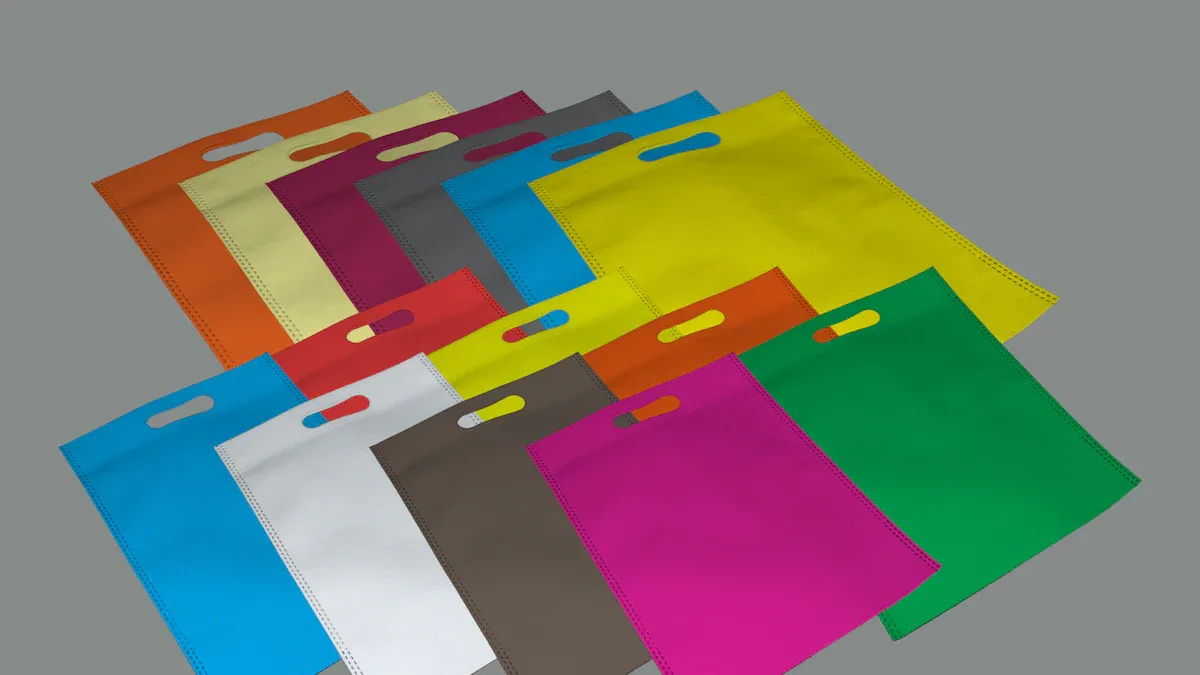
You need to know all the costs for making a non woven bag, including the non woven bag production cost. When you understand each cost, you can set the right prices, which helps you make more profit. Look at the main cost parts below:
Cost Element
Description
Capital Expenditure
Money you spend first on machines and equipment.
Operational Expenditure
Costs that keep coming, like materials, energy, labor, and fixing things.
Raw Materials
This is the biggest cost. It changes when PP and PET prices change.
Energy
Factories need a lot of power to make non woven bags.
Labor
The cost depends on where your factory is and how much you use machines.
Maintenance
You need this to keep machines working well and lasting longer.
Waste
Scrap and leftovers waste money and resources.
Oyang uses smart machines and systems. These help you control your non woven bag production cost and work faster.
Key Takeaways
Learn about all the costs in making non woven bags. These costs include raw materials, labor, and maintenance. Knowing this helps you set good prices. It also helps you earn more money.
Watch raw material prices carefully. They affect how much it costs to make bags. Using eco-friendly materials can bring in customers who care about the environment.
Use machines to help with production. This lowers labor costs and makes work faster. Automated machines can make more bags in less time. They also keep the quality high.
Take care of your machines often. This stops them from breaking down. It keeps your work running smoothly. Good maintenance makes machines last longer. It also saves you from surprise costs.
Make bag designs simple. Pick materials that do not cost a lot. This helps lower how much you spend making bags. Smart design choices save both time and money.
When you know each part of your non woven bag production cost, you can make better choices. This helps your business stay strong and make money. Oyang works to be efficient and cares about the planet. This means you can spend less and help the environment at the same time. The company uses energy from sources that can be replaced. Their machines are made to use less power. This makes your energy bills smaller and helps you reach eco-friendly goals.
Raw Material Expenses
Raw materials are the biggest part of your non woven bag production cost. Most of the time, you use PP or PET non-woven fabric. The price for these materials can change a lot. You need to watch the prices often. If you pick eco-friendly materials, they might cost more at first. But you can get customers who want to help the environment. You should also check how much material you throw away during production. If you waste less, you spend less money and help the planet.
Tip: Always make sure your supplier gives you good materials. Good materials mean less waste and better bags.
Labor and Overhead
Labor and overhead costs are things like pay for workers, factory bills, and other daily costs. Machines that work by themselves, like the NON WOVEN BAG MAKING MACHINE, help you save money. You do not need as many workers. Packing is faster and easier for your team. Here are some important things to remember:
Machines that work by themselves lower labor costs, especially for big orders.
Your team can work faster and better.
Over time, you can save up to 40% on packaging if you use strong, reusable bags.
Machine and Maintenance Costs
Your machines and taking care of them are big parts of your non woven bag production cost. Oyang’s machines do most of the work by themselves. This means you spend less on workers and energy. The table below shows how these machines help you save money:
Benefit
How It Helps You Save Money
Efficient Production
Machines do the work, so you pay less for labor and make more bags.
Cost-Effective
You waste less and the process is smoother.
Energy Efficiency
Machines use less power, so you pay less for energy.
You should also plan to fix your machines often. Machines that are taken care of last longer and do not break as much. This keeps your factory running well.
When you know and control these costs, you can manage your non woven bag production cost and make your business better for the planet.
You need accurate data to calculate your non woven bag production cost. Start by collecting information about your materials and production process. Here is a simple way to check your fabric and make sure you use the right amount:
Cut a sample of your non-woven fabric. Use a square piece that measures 10 cm by 10 cm.
Calculate the GSM (grams per square meter) using this formula: GSM = Weight (g) ÷ Area (m²).
Compare your result with the GSM listed in your purchase order. This helps you confirm that you use the correct material.
Tip: Always check your material before starting production. This step helps you avoid mistakes and waste.
You should also record how many bags you make each day, how much material you use, and how long your machines run. Oyang’s NON WOVEN BAG MAKING MACHINE makes this easier because it tracks production and reduces errors.
Cost per Bag Formula
Once you have your data, you can use a simple formula to find your cost per bag. The table below shows each step:
Step
Description
Calculation
1
Calculate the area of the bag
0.3 + 0.1 + 0.03 = 0.43 m²
2
Find the weight of fabric per bag
0.43 × 80 = 34.4g
3
Convert weight to kilograms
34.4g = 0.0344kg
4
Calculate the cost of fabric per bag
11 × 0.0344 = 0.3784 yuan
5
Find total cost for 10,000 bags
0.3784 × 10,000 = 3,784 yuan
6
Add other costs (printing, labor, etc.)
Include these in your final cost
You can adjust the numbers based on your own bag size, fabric GSM, and material price. Always include extra costs like printing and labor to get the true non woven bag production cost.
Example Calculation
Let’s look at a real example. Imagine you use 50 grams of polypropylene for each bag. Your Oyang machine can make 316,800 bags in one day. Here is how you can calculate your daily material use and adjust for machine downtime:
Each bag uses 50 grams of material.
Total bags made per day: 316,800.
Total material used: 316,800 × 50g = 15,840,000 grams, or 15.84 metric tons.
If your machine has 10% downtime, you make 316,800 × 0.90 = 285,120 bags per day.
Note: Oyang’s NON WOVEN BAG MAKING MACHINE helps you keep downtime low and production high. This means you use your materials better and lower your non woven bag production cost.
By following these steps, you can find out exactly how much each bag costs to make. This helps you set the right price and keep your business strong.
Factors Influencing Non Woven Bag Production Cost
Material Type and Bag Design
You can save money by picking the right materials and designs. The fabric you choose changes how much you spend. Non-woven polypropylene is cheap and good for promo bags. Leather is expensive and used for fancy products. Canvas costs less than leather but more than polypropylene. It is strong and good for eco-friendly bags. The table below shows how each material affects cost:
Material Type
Cost Impact
Description
Leather
High
Premium quality, durable, high-end products
Non-Woven Polypropylene
Low
Cost-effective, ideal for promotions
Canvas
Medium
Durable, good for eco-friendly products
Bag design also changes how much you pay. Simple totes are easy to make and need less work. Totes with lining and pockets take more time and cost more. Bags with many features need extra steps and more labor. Choose a design that fits your budget and what your customers want.
Picking the right fabric and design matters most for your bag’s cost. Non-woven polypropylene helps keep your non woven bag production cost low.
Production Volume and Method
Making more bags at once helps you spend less per bag. When you make lots of bags, your costs go down. The way you make bags is important too. Fully automatic machines make many bags fast and save money. Manual methods are slower and cost more.
Making more bags lowers the cost per bag.
Fully automatic machines are best for making lots of bags.
Manual methods need more workers and take longer.
Pick a way to make bags that matches your order size and business plan.
Machine Automation (Oyang)
Oyang’s NON WOVEN BAG MAKING MACHINE uses automation to help you spend less. The machine makes 60 to 80 bags each minute and needs only two people. Automation makes production faster and increases output. You can meet demand without hiring more workers. This lowers labor costs and helps your factory save money.
Automation makes production fast.
You need fewer workers, so labor costs drop.
The machine is quiet and keeps bag quality steady.
You use less energy and labor, so costs go down.
You can trust Oyang’s machine to keep your costs low and your production running well.
Cost Optimization with Oyang Solutions
Reducing Waste and Energy Use
You can spend less money and help the planet by making smart choices when making bags. Here are some ways to waste less and save energy:
Use only one material, like polypropylene. This makes recycling simple and costs less.
Pick the right GSM for your fabric. Thicker fabric is not always stronger or better. Choose what you need for your bag.
Only use lamination if you really need it. Extra steps cost more and make more waste.
Pick printing that does not stop recycling. New printing ways help bags stay eco-friendly.
Print clear recycling rules on your bags. This helps people recycle them the right way.
Make bags people want to use again. Reusable bags mean less trash.
Oyang’s machines use less power and make less waste. Automatic systems can lower your costs by up to 30%. You get more from each roll of fabric.
Enhancing Efficiency with Automation
Automation changes how you make bags. Oyang’s NON WOVEN BAG MAKING MACHINE uses smart technology to help you make more bags and keep them good quality. Here are some good things about automation:
Benefit
Description
Increased Production Speed
Make more bags in less time.
Energy Efficiency
Save up to 50% on energy bills.
Reduced Labor Dependency
Need fewer workers, saving up to 30% on labor.
Material Waste Reduction
Use 20% less fabric by cutting waste.
Quality Consistency
Achieve 99% accuracy in every bag.
You can fill big orders without hiring more people. Watching your machines in real time keeps every batch good. Automatic machines also make your work safer and more steady.
Sourcing and Process Improvements
You can save even more money by changing how you buy materials and run your factory:
Make your bag designs simple. Simple bags are faster and cheaper to make.
Pick materials that are not too expensive but still good.
Buy fabric in big amounts to get better prices.
Use the same hardware and trims to save money.
Pack bags in small boxes to spend less on shipping.
Pick the right company to help you. Oyang gives you good machines and support so you do not make mistakes or have delays.
Check your costs and results often to see if your changes work. Use check sheets and control charts to keep track. Oyang’s solutions help you control your non woven bag production cost and make your business stronger and greener.
Tip: Buying Oyang’s automatic machines helps you save money for a long time and keeps your factory clean.
You can figure out your non woven bag production cost by keeping track of materials, labor, and how much you use your machines. Using efficient equipment like Oyang’s NON WOVEN BAG MAKING MACHINE helps you spend less and make more bags. Check your process often to keep costs down and make sure your bags are good quality.
Benefit
Description
Reduced material consumption
Helps you spend less on raw materials.
Enhanced cleanliness
Keeps downtime and maintenance low.
Increased production efficiency
Makes work easier and saves money.
Oyang gives help with installation, trains your staff, and offers technical service. Contact them for solutions that fit your business.
FAQ
What is the main cost in non woven bag production?
Raw materials make up the largest part of your cost. You spend most of your money on fabric like polypropylene or PET. Watch market prices to keep your costs low.
How does automation help reduce costs?
Automation lets machines do most of the work. You need fewer workers. You save money on labor and energy. You also make more bags in less time.
How often should you maintain your machines?
You should check and maintain your machines every month. Regular care keeps your machines running well. This helps you avoid breakdowns and extra costs.
Can you use recycled materials for non woven bags?
Yes, you can use recycled PP or PET. This helps you lower costs and protect the environment. Make sure your supplier provides good quality recycled material.
Who can help you choose the right non woven bag making machine?
Provider
Support Offered
Oyang
Machine selection, setup, training, and technical support
You can contact Oyang for expert advice and solutions.