A die cut gasket is a seal that stops leaks and keeps equipment safe. These seals fit very well, so they lower vibration and help machines work better. About 30% of equipment breaks happen because of gasket problems during setup. 60% of machine failures are also caused by gasket issues. The market for die-cut gaskets will grow from 4.80billionin2025to4.80billionin2025to6.49 billion by 2030. This shows people want more of them. Oyang is a leader in smart packaging and uses advanced die cutting technology.
Key Takeaways
Die cut gaskets are important seals. They stop leaks and help machines work better. This lowers the chance of machines breaking down.
These gaskets can be made in many shapes and sizes. This helps them fit exactly for different uses in many industries.
Oyang uses advanced die cutting technology. This makes strong gaskets that can handle heat, pressure, and chemicals. They last a long time and are dependable.
Picking the right gasket material is very important for how it works. The material must fit the environment and what it will touch.
Buying die cut gaskets can save money and make things work better. They are made fast and do not waste much material.
Die Cut Gasket Basics
What Is a Die Cut Gasket
A die cut gasket is a seal that goes between two surfaces. It fills spaces and stops leaks. Industry standards say a die cut gasket uses bolts to press and fill gaps. This helps fix design problems. These gaskets are made from flexible materials. They often use textiles that can handle heat. Some have polymer coatings. This helps them deal with heat and pressure. Die-cut gaskets are flexible, so they fit uneven surfaces. This makes the seal strong and dependable. Gaskets come in many shapes and sizes for different jobs.
Oyang Group is well known in packing and printing. The company uses advanced die cutting technology. This makes gaskets that are precise and reliable. The Oyang Die Cutting Machine works with many materials and shapes. It helps make gaskets that meet strict quality rules.
How Die Cut Gaskets Work
Die cut gaskets make a tight seal between two parts. The gasket sits between the surfaces. Bolts or clamps press the parts together. The gasket gets squeezed and fills small gaps. This keeps liquids, gases, or dust from getting out.
Die-cut gaskets are flat or shaped to fit surfaces.
Compression is important for a good seal.
Bolts or clamps push the gasket to close gaps and stop leaks.
Oyang's die cutting technology is very precise and flexible. It is good for custom jobs that need exact cuts. The Oyang Die Cutting Machine can cut thick materials accurately. This is better than older methods that may not work well with thick gaskets.
Common Applications
Die-cut gaskets are used in many industries. They protect equipment and help keep things safe. The table below shows some common types and their main uses:
Gasket Type | Applications |
Compressed Sheet Gaskets | Used for low or medium pressure, good for sealing and heat. |
Enclosure Gaskets | Keep dust, water, and hazards out of electrical gear, used inside and outside. |
High Temperature Gaskets | Used in medical, cars, planes, and factories, can handle high heat. |
Flange Gaskets | Seal pipes, used in HVAC, petrochemical, and plumbing systems. |
Other common uses include:
Engines
Electronics
Appliances
Industrial machines
Medical devices
Car engine parts
HVAC equipment
Oyang's die cutting machines help make gaskets for all these uses. The machines make sure each die cut gasket fits its job. This helps equipment work safely and well.
Benefits of Die Cut Gaskets
Custom Shapes and Precision
Die-cut gaskets can be made in many shapes. Each one is made to fit its job exactly. The Oyang Die Cutting Machine uses smart technology for accurate cuts. This machine works with many materials and shapes. It helps make gaskets that fit what each seal needs.
The table below shows how die-cut gaskets and other types compare for tolerance:
Gasket Type | Tolerance (mm) | Tolerance (inches) |
Die Cut (Film) | ±0.25 | ±0.010 |
Die Cut (Dense) | ±0.38 | ±0.015 |
Die Cut (Foam) | ±0.63 | ±0.025 |
Waterjet Cutting | ±0.13 | ±0.005 |
Waterjet (Proper Setup) | ±0.08 | ±0.003 |
Digital Cutting | ±0.20 | ±0.008 |
Digital (Overcut) | N/A | N/A |
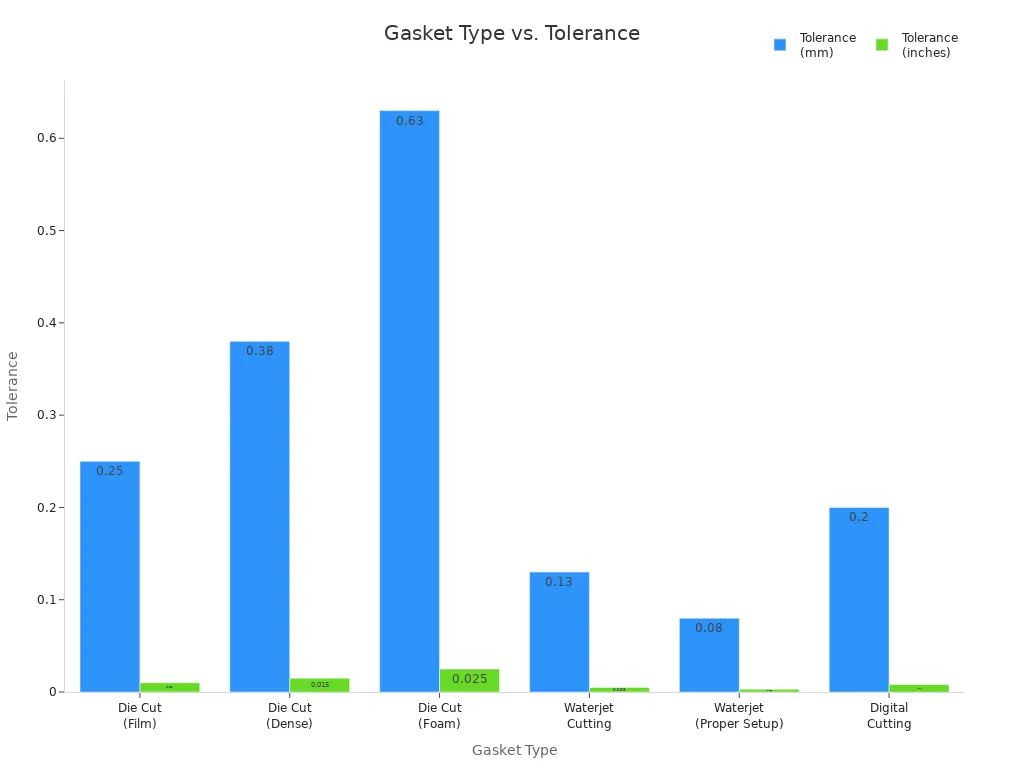
Oyang’s machines help make very exact gaskets. This means each gasket will fit well, even for hard jobs.
Die-cut gaskets are strong and last a long time. They can handle heat, pressure, and chemicals. This makes them good for many uses. Oyang’s die cutting makes sure each gasket has strong edges and fits tight. These things help the gaskets keep working for a long time.
Note: Die-cut gaskets help stop leaks and protect machines. They also help lower vibration damage. This keeps equipment safe.
Cost-Effectiveness
Die-cut gaskets help companies save money. The Oyang Die Cutting Machine works quickly and makes lots of gaskets at once. This helps make more gaskets and keeps costs down. The table below lists some main benefits:
Benefit | Description |
High Production Rates | Automated die cutting machines enable fast and continuous production, reducing lead times. |
Consistent Quality | Achieves uniform gasket properties and dimensions for consistent quality across production runs. |
Cost-Effectiveness | Once the die is created, per-unit costs are low, making it a cost-effective manufacturing method. |
Material Efficiency | The precise process results in minimal material waste, enhancing overall efficiency. |
Oyang’s process puts parts close together to use less material. This helps cut down on waste and saves resources. The company also cares about the environment. Oyang’s new ideas help companies waste less and work better. This supports green and smart solutions for all gasket jobs.
Types of Die Cut Gaskets
Materials Used in Die-Cut Gaskets
Manufacturers use many materials to make die-cut gaskets. Each material has special features for different jobs. Some materials can handle heat. Others cushion or seal tightly. The Oyang Die Cutting Machine works with paper, cardboard, PET film, foam, and rubber. This helps companies make gaskets for many industries.
Material Type | Properties | Applications |
Solid Materials | Resist compression, handle heat up to 500°F, resist UV and flames, last long | Used in cars, planes, and factories for thermal shielding |
Sponges and Foams | Flexible, cushion well, control vibration | Used where vibration control is needed, like car doors |
Rubbers | Seal tightly against liquids, resist UV, less stiff | Used where sealing is important |
Other Materials | Save money, include cork and felt for special jobs | Used in many places, often in cars |
Solid materials make gaskets strong and tough. Sponges and foams cushion and control vibration. Rubbers seal tightly and keep out liquids. Cork and felt help save money for special uses.
Suitability for Different Environments
Choosing the right material helps die-cut gaskets work well in different places. Some materials are best for high heat. Others resist chemicals or pressure. Oyang’s die cutting technology makes precise cuts for thin and thick materials. This helps match the right gasket to each job.
Gasket Material | Temperature Limit | Key Properties |
PTFE Gaskets | 600°F | Works everywhere, resists strong chemicals, fits uneven surfaces. |
Flexible Graphite & Carbon Gaskets | 5000°F | Handles high pressure, resists corrosion, good for tough jobs. |
Compressed Non-Asbestos Gaskets | 850°F | Mixes fibers and rubber, used for high heat. |
Fiberfrax® Ceramic Fiber Gaskets | 2300°F | Light, keeps heat out, easy to use, low heat transfer. |
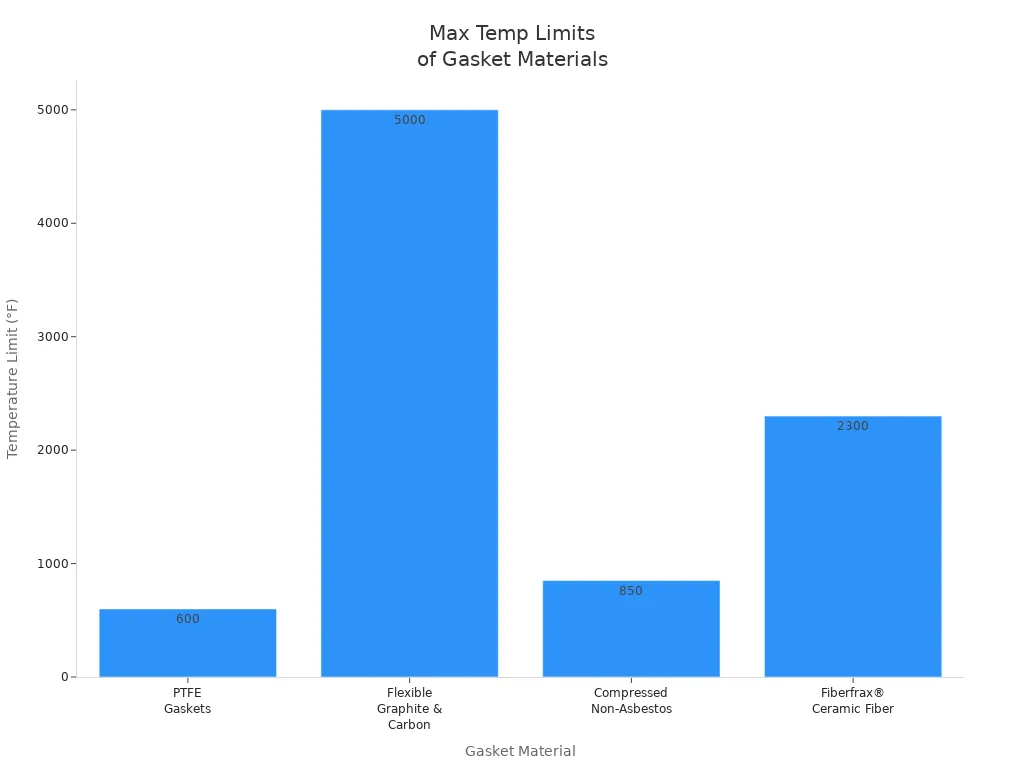
Die-cut gaskets must work with the chemicals they touch. PTFE gaskets resist acids and solvents. Graphite and carbon gaskets handle extreme heat and pressure. Non-asbestos gaskets mix fibers and rubber for hot jobs. Fiberfrax ceramic fiber gaskets are good for very hot places.
Other things also affect how gaskets work:
Factor | Description |
Pressure | Gaskets handle different pressure levels, rated by ASME. |
Temperature | Gaskets work in certain temperature ranges, even extreme ones. |
Media Type | The type of media matters, some need fire-safe or corrosion-resistant materials. |
Flange Type | Different flanges need special gasket sizes and types. |
Flange Finish | Metal gaskets need smooth surfaces; non-metallic gaskets work better on rough surfaces. |
Tip: Always pick the right gasket material for the job. This keeps the seal strong and stops leaks.
Industry Applications
Many industries use die-cut gaskets for important jobs. These gaskets protect equipment and help machines run safely. Oyang’s die cutting machines work with foam, rubber, PET film, and cardboard.
Industry | Applications of Die Cut Gaskets |
Oil and Gas | Used for flange gaskets, casing seals, mud pump gaskets, manifold seals, and more. |
Automotive | Used for engine seals, transmission seals, and other key parts. |
Aerospace | Used for fuel systems, hydraulic systems, and control systems. |
Electronics | Used for circuit boards and enclosures to keep out dust and moisture. |
Medical Equipment | Used for sterilization tools and medical devices for safety and reliability. |
HVAC Systems | Used for air units and ductwork to stop leaks and keep things efficient. |
Food Processing | Used for food packaging and machines to keep things clean and safe. |
Industrial Machinery | Used for pumps, compressors, and other machines to keep them working right. |
Home Appliances | Used for refrigerators, dishwashers, and other appliances to help them work better. |
Die-cut gaskets are important in oil and gas, cars, planes, electronics, medical, HVAC, food processing, machines, and home appliances. Each industry uses different gaskets for its needs. Oil and gas companies use flange gaskets for high pressure. Car makers use seals for engines and transmissions. Electronics companies use gaskets to keep dust and moisture away from circuit boards.
Oyang’s die cutting machines have over 20 years of experience. They use special technology for accurate cutting. They can cut thin and thick materials. This makes Oyang a trusted partner for companies needing die-cut gaskets for any job.
Choosing a Die Cut Gasket
Key Factors (Temperature, Pressure, Chemical Compatibility)
Picking the right gasket starts with knowing where it will be used. Engineers check many things to make sure the gasket works well:
The material must work in hot and cold places.
It should resist ozone and sunlight.
It needs to handle pressure inside machines.
Sometimes, it must block electromagnetic interference.
The gasket must work with water, oils, and chemicals.
The thickness of the material must be right for the job.
It should resist heat above 200°C.
The gasket must bounce back after being squeezed.
For outdoor jobs, it must resist sunlight and ozone.
The durometer and thickness must help it bend and fit.
Chemical compatibility is very important when picking a gasket. The material must not react with the fluids or vapors it touches. For example, fluorosilicone works well with fuels and oils. EPDM is good for water and steam. This choice affects how long the gasket lasts and how well it works.
Application-Specific Tips
Different jobs need different kinds of gaskets. In cars, solid gaskets are strong and handle lots of squeezing. Sponges and foams help lower noise and vibration. Rubber gaskets make tight seals to stop liquids from leaking. One-piece gaskets help stop leaks. Multi-layer gaskets can block electromagnetic interference. The shape of the gasket helps it seal better when pressed.
Food and drink machines need safe gaskets. They must meet rules from groups like the FDA. The materials must not be toxic or react with food. PTFE gaskets resist chemicals and high heat. Expanded PTFE bends easily for changing pressure and heat. The gaskets must be easy to clean and keep things sanitary.
Sourcing and Quality Assurance
Quality is important when buying die cut gaskets. Good suppliers follow strict rules to make sure each gasket does its job. The table below shows some main quality standards:
Quality Assurance Standard | Description |
ISO 9001 | Basic quality rules for making products |
AS9100 | Special rules for aerospace and defense jobs |
ITAR Compliance | Controls for military documents and access |
Oyang makes many kinds of gaskets for different industries. Their skill in making die cut gaskets means each product fits the job. Picking Oyang gives you gaskets that are accurate, strong, and work well with chemicals.
Die cut gaskets help seal and protect machines. They can be made in many shapes. They handle heat and pressure well. They are good for big orders because they cost less.
Advantage | Description |
Supports Custom Shapes | Makes sure the gasket fits surfaces well. |
Withstands Heat/Pressure | Works in places with high heat or pressure. |
Inexpensive | Helps save money on large projects. |
Oyang uses smart machines and safe materials. People should pick suppliers who care about quality and the environment. New trends include CNC machines, designs that use less energy, and very exact manufacturing.
FAQ
What materials can Oyang Die Cutting Machines process?
Oyang Die Cutting Machines can cut paper, cardboard, and corrugated board. They also work with PET film, foam, and rubber. These machines help many industries, like packaging, cars, and electronics.
How does die cutting improve gasket quality?
Die cutting makes gaskets in exact shapes and sizes. This helps each gasket fit tight and seal well. Oyang’s machines use smart technology for the same good results every time.
Are die cut gaskets suitable for high-temperature applications?
Many die cut gaskets use PTFE, graphite, or ceramic fiber. These materials can handle very high heat. Oyang’s machines make gaskets for tough and hot places.
What industries use die cut gaskets?
Oil and gas, car, plane, electronics, medical, and food companies use these gaskets. The gaskets help protect machines and make them work better.
How does Oyang ensure gasket quality?
Oyang follows strict rules like ISO 9001 and AS9100. The company uses advanced machines and skilled workers. Every gasket meets the rules for strength and accuracy.


