Flatbed, rotary, and laser die cutting methods all have special strengths for packaging and printing. Flatbed is great for thick materials and shapes with lots of detail. Rotary is best for fast jobs with many pieces. Laser is good for tricky, custom designs that need digital accuracy. Oyang is a leader in smart cutting methods. They help companies pick the best way for their material, design, and production needs.
Key Takeaways
Flatbed die cutting works well for thick materials. It is good for shapes with lots of detail. This makes it great for custom packaging.
Rotary die cutting is fast and efficient. It is best for making many items quickly. It works well for simple designs.
Laser die cutting is very precise and flexible. It is good for detailed designs. It is also good for making small batches.
Picking the right die cutting method depends on the material. It also depends on how much you need to make. It depends on what your project needs.
Oyang gives expert help and solutions. They help companies choose the best die cutting method. They help companies use the method that fits their needs.
Overview of Die Cutting Methods
What Is Die Cutting
Die-cutting is when machines or tools cut materials into shapes. This process is very important in packaging and printing. Companies use die-cutting to make things like custom boxes, stickers, cards, and labels. It helps them create special items such as index tabs, door hangers, and business card slots in brochures. Die-cutting also makes fold-out parts and rounded corners possible. Many businesses use die-cutting to shape boxes, make custom bags, and add cool features to packages. These methods help companies make products that look the same and stand out.
Main Types of Die Cutting Methods
There are different ways to do die-cutting for different jobs. The main types are flatbed, rotary, and laser die-cutting. Each type has its own strengths and works best for certain uses.
Oyang Group is a top company for smart die-cutting machines. Their machines help with many packaging and printing projects.
The table below explains what makes each method special:
| Method | Characteristics | Advantages | Applications |
| Flatbed Cutting | Uses a hydraulic press and steel rule dies. Works well with hard materials. | Very flexible, can make many shapes, saves material | Thicker things like foam and cardboard |
| Rotary Die Cutting | Uses round dies. Good for fast work and simple shapes. | Fastest way, can be changed for different jobs | Used for labels and packaging |
| Laser Die Cutting | Uses a laser beam. Very exact and can make tiny designs. | Can be changed a lot, great for samples and small details | Samples, short jobs, tough materials |
Flatbed die-cutting is best for thick materials and detailed shapes. Rotary die-cutting is great for making lots of simple shapes quickly. Laser die-cutting is good for tricky designs and small batches. Oyang helps companies pick the right die-cutting method for their needs.
Flatbed Die-Cutting Explained
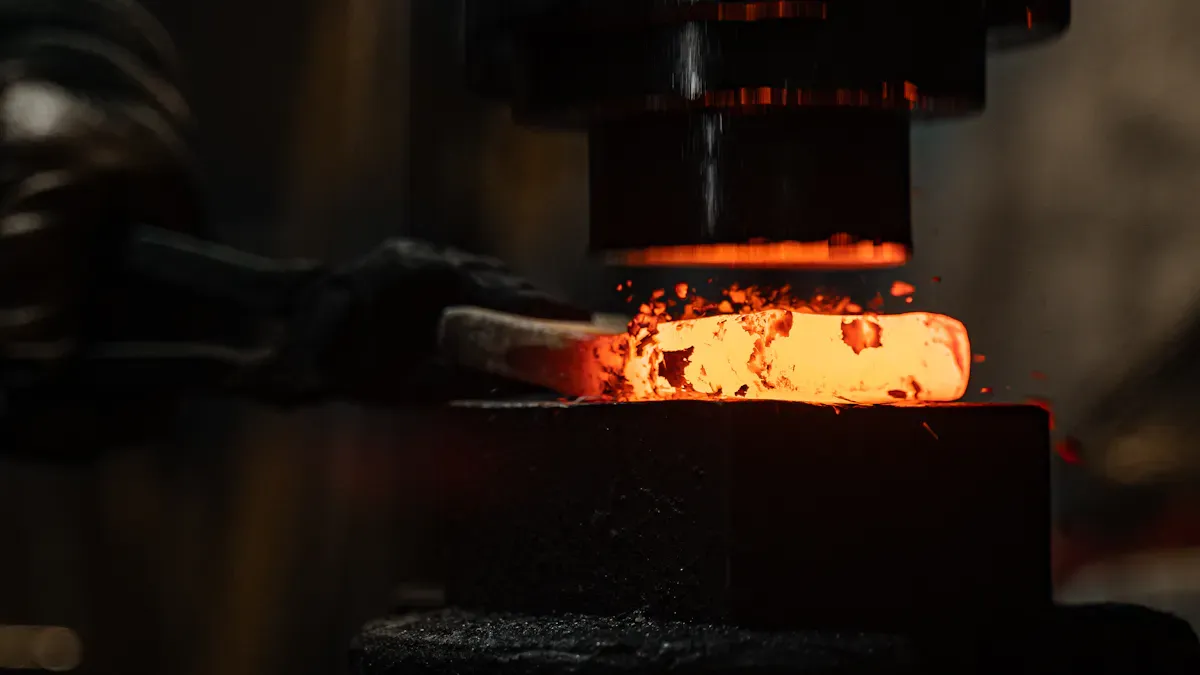
Flatbed Die Cutting Process
Flatbed die-cutting uses a flat surface and a custom die. It cuts materials into shapes. The process has several steps:
The team designs the die first. They make a custom die for the project.
Next, workers prepare the material. They cut and check the sheets before starting.
Then, they set up the machine. They adjust it for the material and die type.
The die presses down and cuts the material. It makes the shape needed.
After cutting, workers remove the parts. They finish any extra steps.
Flatbed die cutting uses indexing to move each sheet. The tooling can change for different shapes or sizes. Oyang’s machines are very precise. They switch jobs quickly. This makes them great for packaging work.
Advantages of Flatbed Die-Cutting
Flatbed die-cutting is known for being versatile and accurate. Many case studies show these main benefits:
It saves money for short jobs.
It works with many materials.
It cuts detailed shapes with high precision.
It fits different projects.
Designs are easy to change.
Oyang’s machines give steady results. They help with many packaging needs.
Limitations of Flatbed Die-Cutting
Flatbed die-cutting has some limits. The table below shows the main problems:
| Limitation | Description |
| Production Speed | It needs more work and is slower |
| Cut Quality | Uneven pressure can change cut quality |
| Manufacturing Scale Suitability | Not good for making lots of products |
Flatbed die cutting is best for small or medium jobs. It is not used for mass production.
Best Uses for Flatbed Die-Cutting
Flatbed die-cutting works with many materials. The table below lists common types:
| Material Type | Description |
| Flexible Materials | Foam, rubber, silicone, and other soft materials |
| Thicker Products | Works well for thick items |
| Sheet Form | Materials must come in sheets |
Flatbed die cutting is used for cartons, paper boxes, foam inserts, and special packaging. Oyang’s machines do these jobs fast and accurately. They are a top pick for detailed and high-quality packaging.
Rotary Die-Cutting Essentials
Rotary Die Cutting Process
Rotary die cutting uses a round die that spins against another cylinder. This method works best with materials that come in rolls. Here are the steps for rotary die cutting: First, workers put a roll of material on the machine. Next, they make sure the material stays straight and tight. The die and cylinder spin together with pressure. The die cuts or kiss-cuts the material as it moves through. Finished pieces are collected, rolled up, or sent for more work. This way, cutting does not stop. It makes the process faster and more efficient.
Benefits of Rotary Die-Cutting
Rotary die cutting has many good points for packaging and printing. It is very fast and can handle big jobs. The table below shows the main benefits:
| Benefit | Description |
| High Precision | Rotary die cutting gives accurate shapes and cuts. |
| Consistency | Every piece looks the same, which is good for big orders. |
| Efficiency | The process is quick and helps make more products. |
| Cost-Effectiveness | It wastes less material and needs less work, so it saves money. |
Rotary die cutting can make production faster by up to 30%. It is great for making lots of items because it is quick and gives steady results.
Drawbacks of Rotary Die-Cutting
Rotary die cutting has some problems. It does not work for every project. The table below compares rotary die cutting with flatbed die cutting:
| Die Cutting Type | Speed | Throughput | Precision |
| Rotary | High | Superior | Moderate |
| Flatbed | Moderate | High | High |
Rotary die cutting is best for simple shapes and big jobs. It may not cut thick materials or very detailed designs as well as other ways.
Ideal Applications for Rotary Die-Cutting
Rotary die cutting works for many projects. It is best for:
Big jobs where speed and saving money are important.
Cutting many layers like foam, film, and adhesives.
Projects that need the same shapes and sizes every time.
Jobs that use new technology to work better.
Oyang’s rotary die cutting helps companies fill big orders fast and accurately. Rotary die cutting is a smart pick for businesses that want to work faster and handle big jobs easily.
Laser Die-Cutting in Modern Packaging
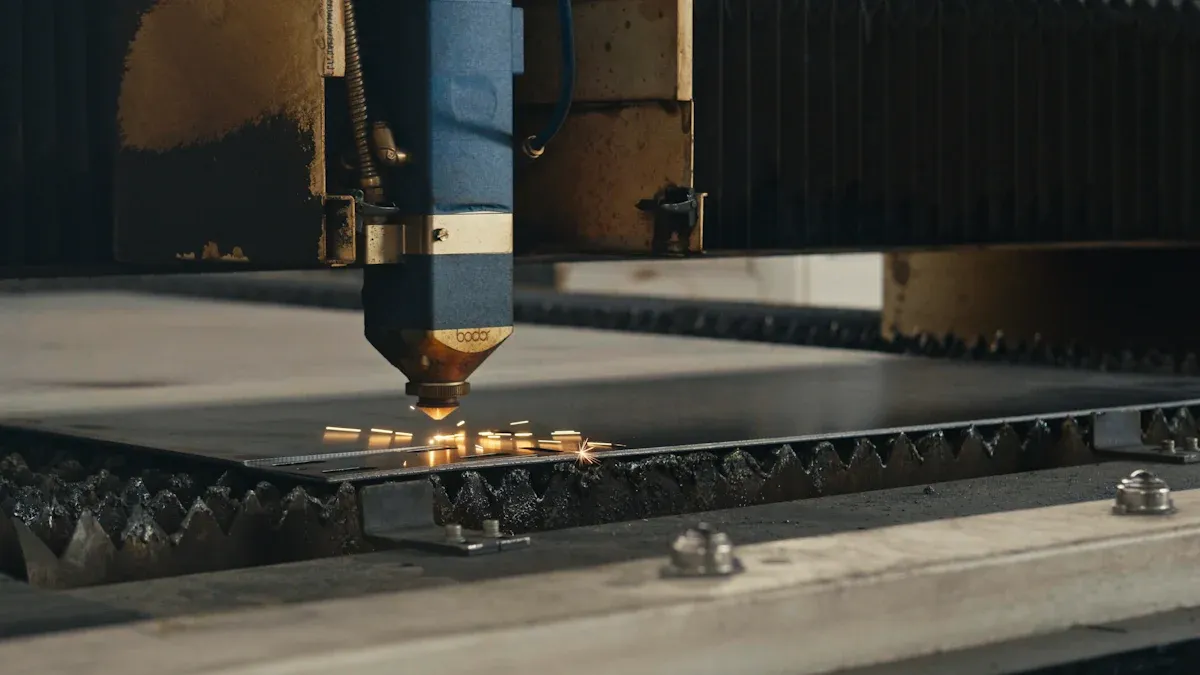
Laser Die Cutting Process
Laser die-cutting uses a strong light beam to cut materials. The machine does not touch the material. It follows a digital design file. The laser moves and burns the material along the path. This makes a very clean cut. Operators do not need to change tools for new shapes. The system works for simple and complex shapes. Laser cutting can cut paper, plastic, textiles, and thin metals. Oyang uses smart technology to make laser die cutting fast and accurate.
Advantages of Laser Die-Cutting
Laser die cutting has many good points for packaging and printing. It is flexible and fast. The table below shows the main advantages:
| Advantage | Explanation |
| Design Flexibility | Laser cutting lets you make tiny designs and details that are hard with other methods. |
| Rapid Prototyping | Quick setup and no tool costs help change designs fast. |
| Minimizing Material Waste | Efficient cutting saves material, so it is good for short jobs. |
Laser die-cutting also makes products look more valuable. Companies can sell to special markets like custom fashion and medical textiles. They can change their products quickly. Laser cutting makes the cleanest cuts, which is important for fancy packaging.
Limitations of Laser Die-Cutting
Laser die cutting has some problems. The table below lists common challenges:
| Limitation Description |
| Energy use changes based on how much is cut. |
| People must fix and check laser machines. |
| Production speed depends on the material and thickness. |
| Some metals, like copper and aluminum, are hard to cut with lasers. |
| Bad settings can burn the material. |
| Laser cutting costs more than other ways. |
Operators must check the machine often. Some materials do not work well with laser cutting. Costs can be higher than other methods for big jobs.
When to Choose Laser Die-Cutting
Laser die cutting is best in certain cases. The table below shows when to use this method:
| Scenario | Advantage of Laser Die Cutting |
| Intricate designs and shapes | Gives the most precise cuts compared to other ways. |
| Small batch production runs | Works well for small amounts. |
| Versatility across materials | Can cut many materials, so it is useful for different jobs. |
Laser die-cutting is the best choice for tricky shapes, short jobs, and projects that need very clean cuts. Oyang leads with new laser cutting solutions. Their machines help companies make special packaging and react fast to new trends.
Comparing Die Cutting Methods
Speed and Efficiency
Die-cutting is important for making packages and prints. Companies want to make lots of products fast. Rotary die-cutting is very efficient. It works best with materials that come in rolls. Production keeps going without stopping. Flatbed die-cutting cuts heavy materials and detailed shapes. It is slower than rotary. Modern flatbed machines can cut up to 200 times each minute. Rotary machines can also cut up to 200 sheets every minute. Laser die-cutting uses digital designs. Its speed changes based on the material and how thick it is.
| Die Cutting Method | Average Production Speed (cuts/minute) |
| Flatbed | Up to 200 cuts/minute (modern models) |
| Rotary | Up to 200 sheets/minute |
| Laser | Varies by material and thickness |
Rotary die-cutting is best for fast jobs and big orders. Flatbed die-cutting is good for smaller jobs and detailed shapes. Laser die-cutting is great for short jobs and custom designs.
Precision and Complexity
Precision helps products look nice and fit right. Flatbed die-cutting gives medium precision. It works best for bigger shapes. Rotary die-cutting gives very high precision. It handles tiny and tricky designs easily. Laser die-cutting uses a digital beam. It makes clean edges and small details. It gives high precision for hard shapes.
| Die Cutting Method | Precision Level | Intricate Design Handling |
| Flatbed Die Cutting | Moderate | Suitable for larger designs |
| Rotary Die Cutting | Very High | Excellent for intricate designs |
| Laser Die Cutting | High | Best for complex shapes |
Oyang Die Cutting Machine gives high precision and steady results. It works with both flatbed and rotary die-cutting. This makes it useful for many projects.
Cost Factors
Cost helps companies pick the right die-cutting method. Flatbed die-cutting machines are popular for packaging. They are used for folding cartons and labels. Automation in flatbed machines boosts productivity by up to 30 percent. This saves money for companies. Rotary die-cutting cuts waste and labor costs for big jobs. Laser die-cutting costs more at first. It saves money on tool changes and setup for custom labels and small jobs.
Flatbed die-cutting is good for small and medium jobs.
Rotary die-cutting saves money for big jobs.
Laser die-cutting costs more at first but saves money for custom labels and samples.
High starting costs for advanced machines can be hard for small businesses. Oyang offers machines with strong value and high returns.
Material Compatibility
Material compatibility helps decide which die-cutting method to use. Flatbed die-cutting works with thick materials and tricky shapes. Laser die-cutting cuts many materials. It makes clean edges without extra steps. Rotary die-cutting works with lots of materials. It is good for big jobs.
| Die Cutting Method | Material Compatibility | Key Features |
| Flatbed | Thicker materials, intricate designs | High precision, customizable, ideal for short runs |
| Laser | Various materials, intricate designs | High detail, clean edges, no secondary processing needed |
| Rotary | Wide range of materials | Efficient for high-volume production, reduces costs and waste |
Oyang Die Cutting Machine works with many materials like cardboard, PET film, and corrugated board. It gives high precision for every cut.
Application Scenarios
Die-cutting methods help many industries. Flatbed die-cutting is used in cars for engine seals and rubber gaskets. Marketing teams use it for stickers, cards, and labels. Custom labels and birthday cards often use flatbed dies. Rotary die-cutting is used for retail packaging, folding cartons, display boxes, and blister packs. Promotional packaging and pop-up displays use rotary methods. Protective packaging like foam inserts and trays needs die-cutting. Specialty packaging for medical devices and eco-friendly products often uses laser die-cutting.
Automotive: Engine seals, rubber gaskets
Marketing: Stickers, cards, labels, custom labels
Retail: Folding cartons, display boxes, blister packs
Promotional: Custom-shaped boxes, pop-up displays
Protective: Foam inserts, custom trays
Specialty: Medical device packaging, eco-friendly options
Oyang machines help companies make custom labels, packaging, and special products with high precision and efficiency.
Choosing the Right Die Cutting Method with Oyang
Assessing Project Needs
Every project is different. Companies need to think about many things before picking a die cutting method. Experts say to check what the supplier can do, their certifications, technical help, design needs, and how the project will run. The table below shows these important points:
| Criteria | Description |
| Supplier Capabilities | Look at the supplier’s skills and experience with die cutting for your project. |
| Certifications | Make sure they have certifications like IATF 16949 for quality. |
| Technical Support | Check if the supplier gives good technical help during and after the project. |
| Design Requirements | Find out what design needs the die cutting method must meet. |
| Operational Requirements | Think about how much you need to make and what materials you use. |
Companies should look at these points to make sure the method fits their goals. Oyang gives machines and support that match these needs.
Matching Method to Material and Volume
Material type and how much you need to make are important for picking the right method. Different materials need special die cutting methods for the best results. How much you make decides which method saves money and works fastest. The material type decides the cutting method and how close the cuts can be. Picking the right material matters for the final product.
Companies must pick a die cutting method that works with their material.
Big jobs often need rotary die cutting for speed and steady results.
Flatbed die cutting is good for thick materials and detailed shapes.
Laser die cutting is best for small batches and tricky designs.
Oyang machines work with many materials like cardboard, PET film, and corrugated board. Their technology helps with both small and big jobs.
Budget and ROI Considerations
Budget and return on investment are important when buying die cutting machines. Companies need to look at the price, maintenance, energy use, training, and ROI. The table below explains these points:
| Consideration | Details |
| Initial Purchase Cost | Prices change by brand and features; basic models start at a few thousand dollars, while fully automated systems can cost over $100,000. |
| Maintenance Costs | Complex machines may need regular checks and new parts; pick models with good service support. |
| Energy Consumption | Fast machines use more power; check energy ratings for nonstop work. |
| Training and Support | Add costs for training workers; easy-to-use machines can save time. |
| Return on Investment | Automated machines can make more products and cut labor costs, helping ROI over time. |
Companies should compare these things to find the best deal. Oyang machines give high precision and efficiency, which help boost productivity and lower costs.
Oyang’s Support and Solutions
Oyang helps customers pick and use the best die cutting method. They give expert help for setting up machines. Clear instructions help with proper setup. A full installation and acceptance guide helps customers reach their production goals.
Oyang gives support from start to finish.
Their team helps with machine setup.
Customers get advice to meet production targets.
Oyang’s solutions fit many packaging and printing needs.
Oyang’s experience and smart technology make it easier for companies to pick the right die cutting method. Their support helps everything run smoothly and gives high-quality results.
Practical Checklist for Choosing the Right Die Cutting Method
Companies can use this checklist to make a smart choice:
Look at project design and how it will run.
Match material type and how much you need to the best die cutting method.
Compare price, maintenance, and energy costs.
Check supplier certifications and technical help.
Ask Oyang for help with setup and training.
This checklist helps companies find the best way for their packaging and printing projects.
The table below explains how flatbed, rotary, and laser die cutting are different. It also shows where each method works best:
| Method | Description | Ideal Use Cases |
| Flatbed Die Cutting | Uses a press to make simple shapes | Good for small jobs and testing ideas |
| Rotary Die Cutting | Cuts from rolls for fast and steady work | Best for big jobs in many fields |
| Laser Cutting | Uses a laser for clean cuts without touching | Great for soft materials that need accuracy |
Picking the right method is important. Teams should look at what materials they use. They should think about how much they need to make. They must check what their project needs. Oyang gives expert help at every step. The checklist above helps teams make smart choices.
FAQ
What materials can Oyang die cutting machines handle?
Oyang die cutting machines cut paper, cardboard, corrugated board, PET film, and foam. They work with many projects for packaging and printing.
How does laser die cutting differ from rotary and flatbed methods?
Laser die cutting uses a digital beam that cuts without touching the material. Rotary and flatbed methods use dies that touch the material. Laser is best for tricky shapes and small jobs.
When should a company choose rotary die cutting?
A company should pick rotary die cutting for big jobs. This method is fast and gives steady results. It also wastes less material.
Does Oyang provide support for machine setup and training?
Oyang gives expert help for setting up machines and training. Their team helps customers start production fast and fix technical issues.


