A flatbed die cutter has a flat surface and a special die. It cuts things like paper, cardboard, or plastic very accurately. In packaging and printing, this tool shapes things like boxes and labels. Oyang is a top company in smart packaging solutions. They have advanced machines like the die cutting machine. Knowing how flatbed die cutting works helps companies pick the right machines. It also helps them choose machines for their materials and needs.
Key Takeaways
Flatbed die cutters help cut things like paper and plastic. They are great for packaging and printing jobs.
Oyang's die cutting machines have smart features and automation. These features help work faster and waste less material.
Picking the right material for die cutting is very important. It changes how good and fast your work will be. Think about what you need before you choose.
The flatbed die cutting process has many steps. You start by making the dieline. Then you check the finished product to make sure it is good.
Flatbed die cutting saves money when making lots of items. It is a good choice for companies that want to save time and money.
Flatbed Die Cutter Overview
Definition and Key Features
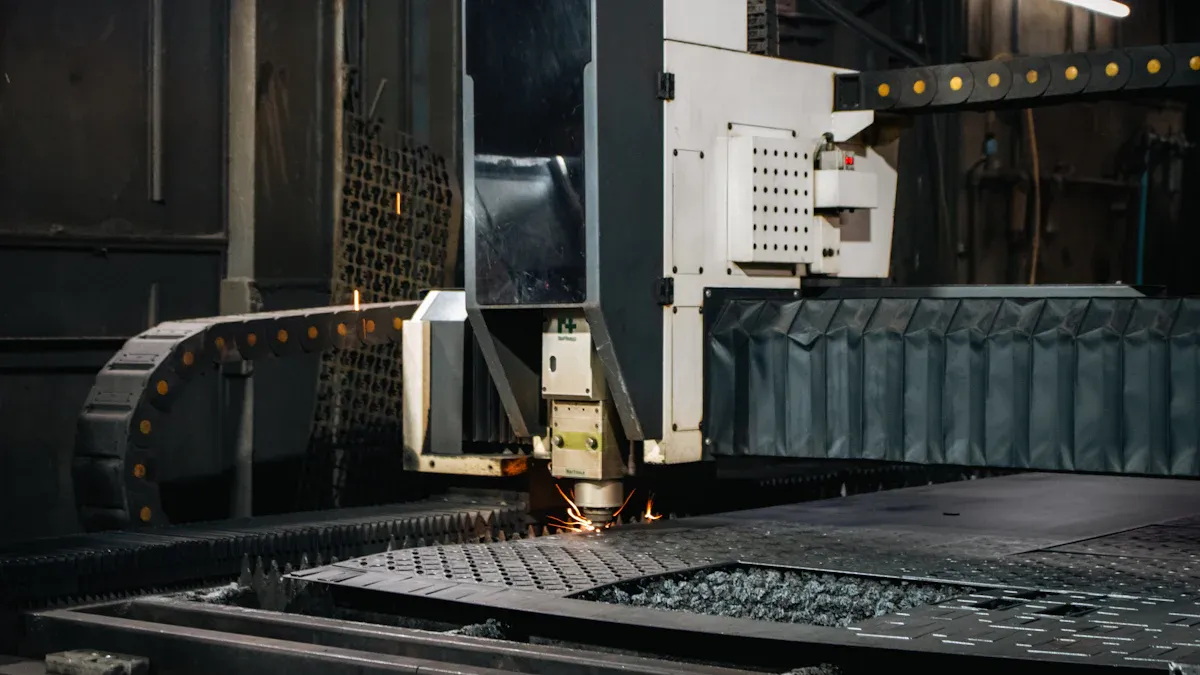
A flatbed die cutter is a special machine for packaging and printing. It has a flat surface and uses a custom die to cut things. It can cut paper, cardboard, and plastic. This cutting process is called flatbed die cutting. The machine holds the material still on a platform. Then, the die pushes down to make shapes. This way, the cuts are neat and exact, even for tricky designs.
Flatbed die cutters are different because they work with many materials. They can cut thin paper or thick cardboard. The machine uses custom dies to make special shapes for each job. This helps companies make unique packages and detailed parts. Flatbed die cutting lets businesses switch jobs fast, so it saves time.
Some main parts of a flatbed die cutter are:
Material handling and feed systems: These move and place the material for cutting.
Precision die construction: Good dies make sure every cut is right and last a long time.
Automated control systems: These let workers change settings and watch the process for better results.
Flatbed die cutting technology is getting better every year. Now, machines use more automation and digital controls. Many have IoT features for easier tracking. There is also more focus on using green materials and helping the planet. More people want custom packaging, especially for online shopping and labels.
Oyang Die Cutting Machine Introduction
Oyang Group is a leader in smart packaging. Their die cutting machine shows the latest flatbed die cutting technology. The Oyang machine is made for high accuracy and speed. It works great for color boxes, cartons, and paper products. The machine can do die cutting, creasing, and cold embossing. This makes it useful for many packaging jobs.
Oyang’s machine has advanced systems to move each sheet into place before cutting. The strong die makes sure every cut is perfect, even for small details. Automated controls help workers make quick changes and check the process, which saves time and cuts waste.
The Oyang die cutting machine is easy to use. Workers can change jobs fast, so there is less waiting. The machine can cut many materials like corrugated cardboard, card stock, and PET film. It is strong and built for big jobs.
Oyang Group cares about new ideas and the environment. Their machines help companies meet high quality and green goals. As more people want flatbed die cutters, Oyang keeps making machines that are fast and eco-friendly.
Note: Oyang Group has over 20 years of experience in packaging. Their machines are used in more than 70 countries. They help customers in packaging, food, medicine, and cosmetics.
Flatbed Die Cutting Process
Step-by-Step Process
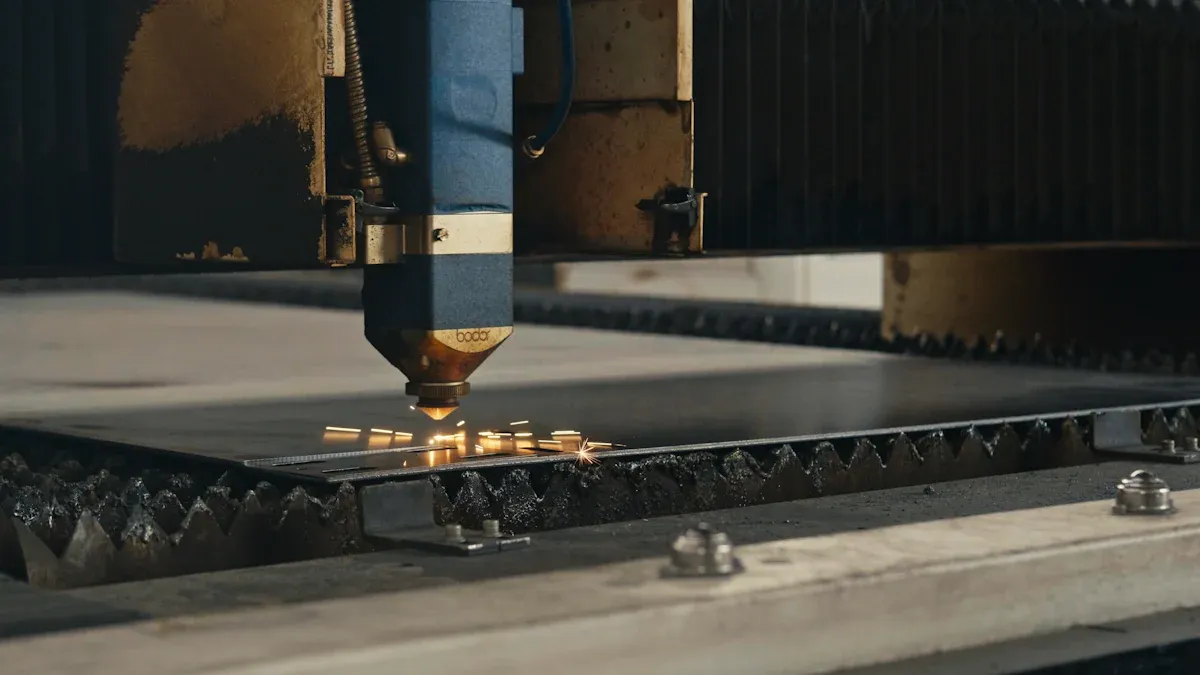
Flatbed die cutting uses a set order of steps. Each step helps turn a design into a finished item. The table below lists the main steps, why they matter, and problems that can happen:
| Step | Purpose | Common Problems |
| Define dieline & outcome | Clarify what “good” means | Wrong cut type, tight features, unclear specs |
| Choose workflow | Match material form to process | Over-handling, low throughput, drift risk |
| Prepare materials | Reduce variation before cutting | Depth swing, mark read errors, matrix breaks |
| Setup tooling & registration | Turn design into repeatable output | Misalignment, poor registration, uneven cut |
| Run & tune | Stabilize quality at speed | Ragged edges, liner cut-through, incomplete cuts |
| Strip & separate | Make throughput real | Matrix tears, jams, slowdowns |
| Inspect & validate | Catch drift before it scales | Late detection, inconsistent acceptance |
The process starts with a dieline. This is a drawing that shows where the die will cut, crease, or emboss. The designer makes the dieline to match the final shape and size. Next, the team picks the best way to work with the material. They get the sheets or rolls ready and make sure they are clean and flat.
The operator sets up the tools and lines up the die with the material. The die cutting machine runs at the right speed. The operator changes the settings to get smooth cuts. After cutting, the machine removes waste and separates the finished pieces. The last step is checking the work. Workers look at each batch to make sure the cuts are right.
Flatbed die cutting is good for custom shapes and designs. It works with many materials like paper, cardboard, and plastic. When a steel blade is used, this is called steel rule die cutting.
Precision and Control in Die Cutting
Precision is very important in flatbed die cutting. The material stays still while the die moves down to cut. This setup gives sharp and clean edges. It also helps control how close the cuts are to the design. The table below shows how flatbed and rotary die cutting compare:
| Die Cutting Type | Precision Level | Tolerance Control | Ideal Use Cases |
| Flatbed | Superior | Predictable | High-end packaging, intricate designs |
| Rotary | Efficient | Variable | General applications, less intricate designs |
Flatbed die cutter machines are better for detailed work. They keep the cuts even, even after many uses. This process is best for fancy packaging and jobs that need small details.
Oyang Die Cutting Machines use smart technology to cut more accurately. These machines have sensors that check the cutting force and where the material is. Lasers check if each cutout is the right size and in the right place. Cameras make sure every piece matches the design. These features help stop mistakes and keep the quality high.
Oyang’s automation makes the process faster and cuts down on errors. The machines have systems that remove waste quickly, even for odd shapes. This keeps the area clean and the work moving. The machine’s design also helps stop breakdowns, so work does not stop.
Some common problems in flatbed die cutting are blade depth, pressure, and speed. Operators need to use sharp blades and set the machine right for each job. Oyang machines help fix these problems with smart controls and easy changes.
Tip: Check the machine often and keep it in good shape. Sharp blades and the right pressure make the cuts better.
Flatbed die cutting is great for making special shapes with high control. Oyang’s machines make the process even better with smart features and steady results.
Materials & Uses in Flat Bed Die Cutting
Common Materials for Die Cutting
Flatbed die cutter machines can cut many types of materials. The material you pick changes how the machine cuts and how good the final product is. Companies pick materials based on what they want to make and what they need. Oyang’s machines work with lots of materials, so they are good for making special shapes.
Some common materials used in flatbed die cutting are:
Foils
Laminates
Gasket materials
Polyesters
Polycarbonates
Rubber
The material you choose can change how fast and how well the machine cuts. The table below shows how different materials work in flatbed die cutting:
| Material Types | Thickness Range | Tolerance Capabilities |
| Foams | 0.005" to 0.500" | ±0.005" to ±0.030" |
| Gaskets | 0.005" to 0.500" | ±0.005" to ±0.030" |
| Adhesives | 0.005" to 0.500" | ±0.005" to ±0.030" |
| Composites | 0.005" to 0.500" | ±0.005" to ±0.030" |
| Textiles | 0.005" to 0.500" | ±0.005" to ±0.030" |
| Rigid Plastics | 0.005" to 0.500" | ±0.005" to ±0.030" |
Picking the right material is important for sealing and stopping leaks. Some materials help stop shaking and last longer. Things like heat, sunlight, and water can also change how the material cuts.
Industry Applications and Oyang Solutions
Flatbed die cutting is used in many different jobs. Each job uses the machine for its own needs and shapes. Oyang’s machines help make packaging that is better for the planet and faster to make.
| Industry | Application Description |
| Packaging | Essential for manufacturing corrugated boxes, folding cartons, and point-of-sale displays. |
| Electronics | Used for high precision cutting of electronic components like circuit boards and small parts. |
| Automotive | Employed for manufacturing parts such as gaskets, seals, and insulation pads. |
| Textiles | Utilized for cutting garments, footwear, and upholstery with high precision. |
| Healthcare | Applied in producing medical devices and packaging materials. |
| Construction | Used for cutting materials for various construction applications. |
Packaging companies use flatbed die cutting for boxes and labels. Electronics companies use it for small parts and circuit boards. Car makers need it for gaskets and seals. Textile companies cut clothes and furniture covers with it. Hospitals and builders also use this technology.
Oyang’s flatbed die cutter machines can do steel rule die cutting. This helps make special shapes for many jobs. Their machines help save materials and are better for the earth. Oyang’s machines help companies make better products and work faster.
Note: Oyang Group has machines that cut many materials and help with packaging, printing, and more.
Comparing Flatbed Die Cutting Methods
Flatbed vs. Laser Cutting
Flatbed die cutting and laser cutting both shape materials for packaging and industry. Each way has its own strengths. Flatbed die cutting uses a hydraulic press and a flat machine that does not move. Laser cutting uses a strong light beam to cut or melt the material.
The table below shows how they are different in efficiency:
| Efficiency Factor | Flatbed Die Cutting | Laser Cutting |
| Speed and High Volume | More efficient for high-volume production | Slower for bulk orders |
| High Precision | Limited by blade placement | Excels in intricate designs |
| Cleanest Possible Cut | Leaves cleaner edges | May leave residue from melting or burning |
| Prototype Friendly | Requires hard tooling for prototypes | Easier and cheaper for quick prototypes |
| Deep Cuts or Multi-Layer Cuts | More effective on thick materials | Less effective on thick or multiple layers |
Cost is important when picking a cutting method. Laser cutting is good for small jobs and fast samples. Flatbed die cutting saves money when making lots of items. For example, it costs less per piece and works faster for orders over 9,000 units. Laser cutting can make edges look burned, but die cutting keeps the edges neat.
Caring for the planet is important in factories today. Die cutting machines use less energy, make less waste, and use tools that can be recycled. Laser cutting makes less trash but can make smoke, depending on the material.
Flatbed die cutting works well for small to medium jobs. It is best for thick materials and simple shapes. This way helps companies grow and waste less.
Advantages of Oyang Die Cutting Machine
Oyang’s automatic die cutter is special in packaging. The machine cuts with high accuracy and speed. It is great for custom shapes and designs. It can cut many materials like cardboard, PET film, and corrugated board.
Some main benefits are:
Fast changes for new jobs
Same quality every time with clean edges
Makes lots of items quickly
Easy controls and smart systems
Removes waste well and saves energy
Oyang’s flat bed die cutting machine is used in many industries. It meets strict rules and helps companies work better. The machine is strong and smart, so it works well for a long time. Oyang cares about the earth and makes green solutions for packaging and printing.
Tip: Companies who want fast, green, and smart cutting should look at Oyang’s die cutting machines.
Flatbed die cutters can cut many materials very accurately. They are used in lots of different jobs. The table below shows some important things to think about:
| Feature | Description |
| Die Type | Picking the right die type changes how well it cuts. It also affects how long the tool lasts and how fast you can make things. |
| Pressure System | Good pressure systems let you change settings for each material. This helps make cuts more exact. |
| Bed Size | The bed is the flat area where you put the material. Bigger beds let you cut bigger sheets and finish more work faster. |
| Automation Level | Some machines need people to run them, but others work by themselves. This changes how many things you can make and how much work people do. |
| Material Compatibility | These machines can cut many types of materials. You need to check if your material works with the machine. |
| Control and Precision | Digital controls help the machine cut in the same place every time. This means fewer mistakes. |
Oyang is a top company for green and strong machines. If you want to learn more, you can read about flatbed die cutting or ask Oyang for help.
FAQ
What materials can the Oyang Die Cutting Machine process?
Oyang Die Cutting Machine can cut paper, cardboard, and cartons. It also cuts corrugated board and PET film. The machine works with many shapes and thicknesses. It is good for packaging, labels, and special designs.
How does flatbed die cutting differ from rotary die cutting?
Flatbed die cutting uses a flat area and custom dies. This gives very exact cuts. Rotary die cutting uses a round cylinder. It is better for simple shapes. Flatbed machines are best for detailed designs.
What industries use flatbed die cutters?
Flatbed die cutters are used in many industries. These include packaging, electronics, and cars. They are also used in textiles, healthcare, and building. Companies use them for boxes, labels, and circuit boards. They also make gaskets and medical tools.
How long does it take to deliver an Oyang Die Cutting Machine?
It usually takes one to two months to deliver. This is after you pay. Oyang gives updates and helps during the wait.
Does Oyang offer support and training for their machines?
Oyang gives quick help after you buy a machine. They also teach you how to use and care for it. Their team helps with setup and fixing problems.


