Choosing the right settings for a paperboard die cutting machine is important. You need to know how materials, thickness, pressure, and speed work together. Paperboard and corrugated board are used most often. The right thickness and pressure help the die cut clean shapes. This also stops the board from getting damaged. The table below shows usual ranges for these things:
Material Type | Thickness Range (mm) | Cutting Pressure (tons) | Common Applications |
Paperboard | 1-5 | 50-150 | Folding cartons, retail displays |
Corrugated Board | 1-5 | 200-400 | E-commerce packaging, shipping boxes |
Matching machine settings to the material makes quality better. It also helps the work go faster. Moisture, strength, and cutting force all change the final result. When the die and machine settings fit the material, cuts look good and the job goes well.
Key Takeaways
Pick the best material for your die cutting machine. Paperboard, cardboard, and corrugated board are all different. Each one changes how well the machine cuts.
Change the pressure settings for the thickness of the material. Use less pressure for thin materials. Use more pressure for thick boards. This helps you get clean cuts.
Watch the speed closely. Start with a slow speed. Then slowly make it faster. This helps you find the best mix of speed and good cuts.
Check and take care of your machine often. Keep the tools sharp. Make sure everything is lined up right. This stops problems like jamming and bad cuts.
Test your settings a lot. Even small changes can make the cuts better. This also helps your machine work well.
Materials for Die Cutting Machines
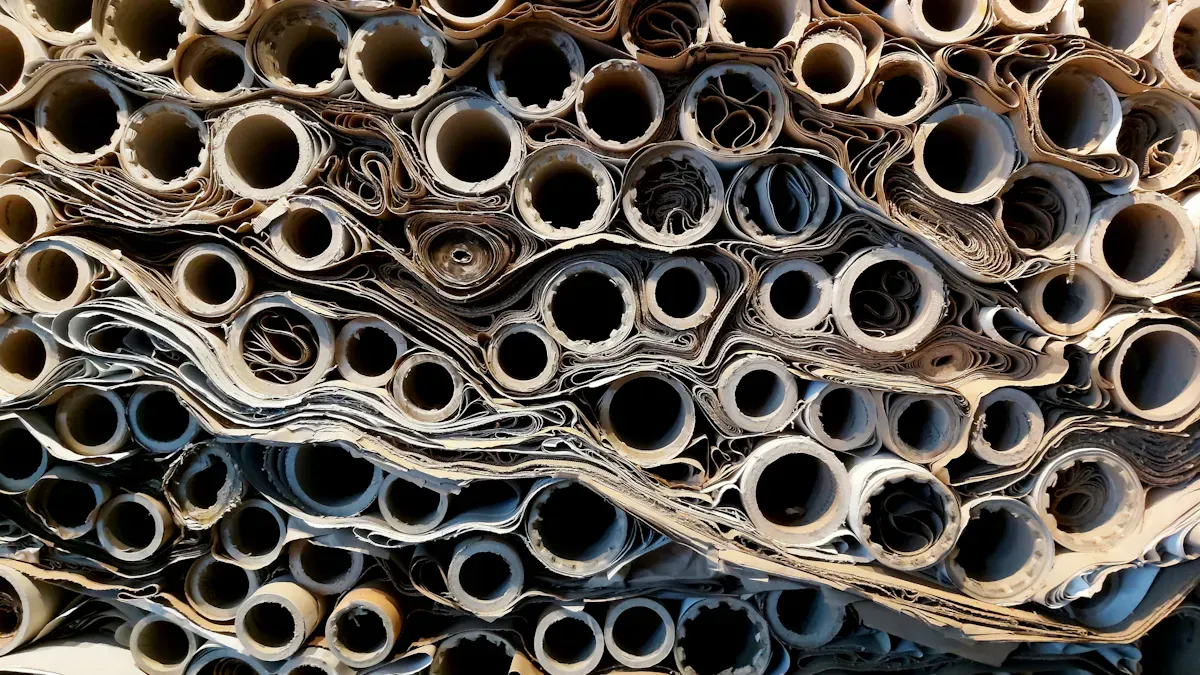
Image Source: pexels
Common Paperboard Materials
A paperboard die cutting machine can use many materials. The most common ones are:
Paper
Cardboard
Corrugated board
These materials are used in factories and shops. Paper is thin and cuts easily. Cardboard is thicker and stronger than paper. Corrugated board has layers that make it tough. Each material works best for certain packages. Picking the right one changes how well the machine cuts.
Specialty and Coated Materials
Specialty and coated materials have special features for die cutting. Some boards have coatings that keep water out or make them shiny. Others mix textures for fancy packaging. The table below shows good and bad points:
Advantages | Disadvantages |
Specialty materials can be made for special uses. | May need special tools to stop layers from peeling. |
Mixed textures make packages look nicer. | Hard to line up because of different textures. |
Good for fancy invitations and mixed displays. | Some die types may not work; might need laser or hybrid dies. |
Specialty materials can make packages look and feel better. They might need special dies or machine settings.
Material Selection Tips
Picking the right materials helps the die cutting machine work well. Think about these things:
Paperboard properties
Moisture level
Die quality
Machine settings
Keeping the paperboard’s moisture just right is important. Too much water makes cutting harder. Too little water makes the board break and lowers quality.
Base Board Material Properties
Board Type & Caliper (Thickness)
Grain Direction
Moisture Content
Check these things before you start making packages. They help the machine cut better and waste less.
Troubleshooting Material Issues
Material problems can make a corrugated die cutting machine work badly. Some common problems are:
Recycling Challenges: Hybrid materials like poly-coated paperboard are hard to recycle. The coating comes off when repulping and often goes to landfills.
Contamination Issues: Plastic coatings can mess up recycled pulp. This lowers quality and causes defects.
Composting Complications: Some packaging materials make composting harder. They can cause contamination and get rejected by composters.
Advancements in Coating Technologies: Water-based coatings keep water out and are easier to recycle.
Emerging Sustainable Materials: Biobased plastics like PLA and PHA are strong and break down in composting centers.
Using sustainable materials and water-based coatings can fix many problems. These choices help production and protect nature.
Material Thickness Guidelines
Minimum and Maximum Thickness
A paperboard die cutting machine works best with certain thicknesses. Most machines can cut materials as thin as 0.2 mm. They can also cut materials as thick as 3 mm. Some stronger machines can cut up to 1/8 inch, which is about 3.2 mm. The thinnest material depends on how strong the paperboard is. It also depends on how sharp the die is. The thickest material depends on the machine’s design and the die type. If the board is too thin, it might tear or not cut well. If it is too thick, the die might not cut all the way. The machine could jam if the board is too thick.
Groove width matters too. The groove should be the same size as the board’s thickness. If the groove is too small, it can crush the board. If the groove is too big, cuts can be uneven. Always check what the manufacturer says about groove width and thickness before you start.
Thickness Reference Table
The table below shows usual thicknesses for different materials. This helps workers pick the right settings for each job.
Material Type | Typical Thickness (mm) | Recommended Groove Width (mm) |
Standard Paperboard | 0.2 – 1.0 | 0.3 – 1.2 |
Cardboard | 0.5 – 2.0 | 0.6 – 2.2 |
Corrugated Board | 1.5 – 5.0 | 1.7 – 5.5 |
Laminated Board | 1.0 – 3.2 | 1.2 – 3.5 |
Tip: Always measure how thick the material is before using the machine. Even small changes in thickness can change how well the machine cuts.
Multi-layer and Laminated Boards
Multi-layer and laminated boards are used a lot in packaging. These boards have several layers glued together. The total thickness affects how the machine cuts. Workers must change the pressure to get clean cuts. If the pressure is too low, the die may not cut through all layers. If the pressure is too high, the die or the board can break.
Factor | Impact on Die Cutting Process |
Total laminated sheet thickness | Needs careful pressure changes for clean cuts. |
Board density and moisture content | Changes how pressure is set and how the die works. |
Steel rule height and sharpness | Helps get clean cuts without hurting the board. |
Problems with multi-layer boards can be:
Clean cuts in the middle but not at the edges.
Knives wear out quickly in places with high pressure.
Pieces do not fit the same across the sheet.
Workers sometimes try to fix these by using more pressure. This can make knives wear out faster or break the die board. The best way is to set the pressure carefully and check that the platen is straight. Checking often keeps cutting quality high.
Troubleshooting Thickness Problems
Problems with thickness can slow down work and make quality worse. Here are some common problems and ways to fix them:
Issue | Symptom | Possible Causes | Troubleshooting Steps |
Poor Cutting Quality | Cuts are not complete, jagged, or uneven | Dull dies, Wrong pressure, Not lined up | Change the die, Change pressure, Check alignment |
Material Jamming | Material gets stuck in the machine | Wrong thickness, Bad feeding system, Static | Check material, Look at the feeding system, Use anti-static spray |
Inconsistent Cutting Depth | Cut depth changes | Pressure not even, Dies are worn | Check pressure rollers, Change dies, Reset pressure settings |
Note: Keep up with maintenance. Change pressure for each new thickness. Sharpen or change blades often. Make sure cutting plates are flat. Check material specs so there are no surprises.
A die cutting machine works best when workers check thickness, change settings, and keep the machine in good shape. This keeps cuts clean and makes production fast.
Pressure Settings for Die Cutting
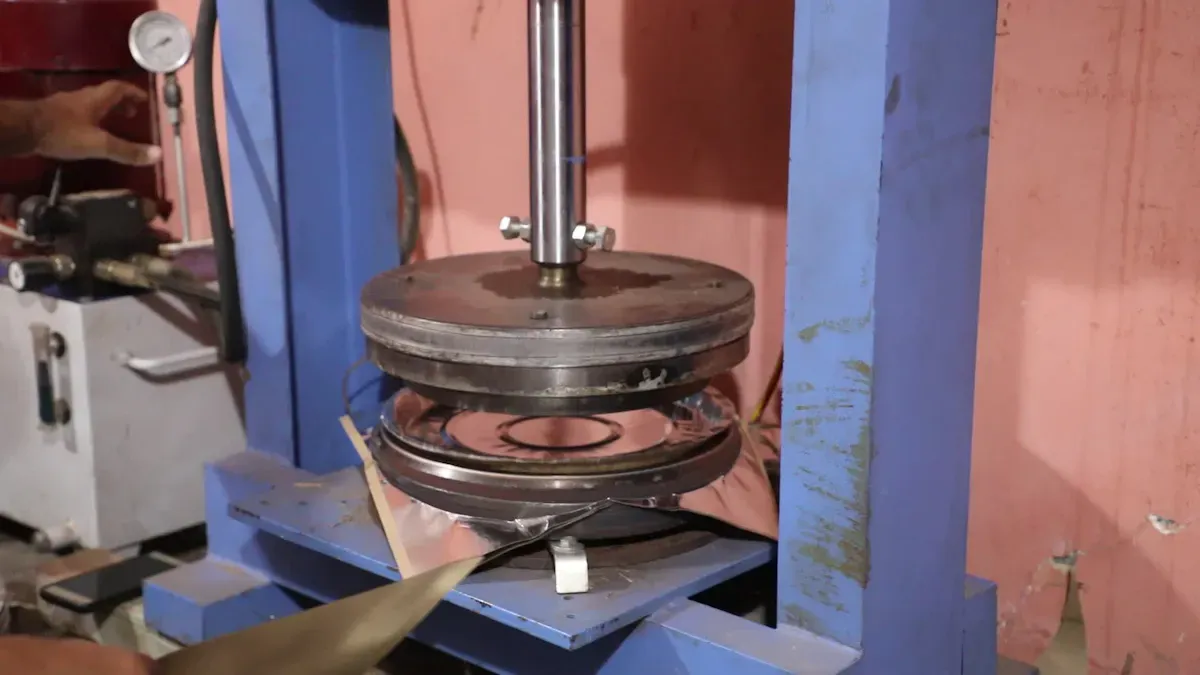
Image Source: pexels
Setting Correct Pressure
Getting the right pressure is very important. It helps the die cut materials cleanly. It also keeps the machine safe. Start with low pressure first. Slowly raise the pressure until cuts are smooth. Use a gauge or sensor to check pressure. Make small changes each time. Test the cuts after every change. This careful way gives the best results. It also keeps the die from breaking.
Adjusting for Material and Thickness
Different materials need different pressure settings. Thicker boards need more pressure. Folding cartons use 50-150 tons of pressure. Corrugated board uses 200-400 tons, depending on thickness. The shape of the die also matters. Operators must change hydraulic pressure for each job. Steel tools in layers help keep the die flat. They also spread pressure evenly. Adjustable Clearance Anvils let workers change cutting depth. This helps control pressure for different thicknesses. Skilled die cutters change die design for thin films or soft foams. This keeps production steady.
Signs of Incorrect Pressure
Wrong pressure causes many problems. If pressure is too low, cuts are not complete. Edges can be rough or ragged. If pressure is too high, the die or machine can break. You may see crushed edges or bent boards. Sheets can warp or dies can break. Listen for strange sounds from the machine. Watch for fast die wear.
Pressure Troubleshooting
Fixing pressure problems keeps cuts clean. It also stops waste. Here are steps to follow:
Check the gauge and compare to the right range.
Look at the die for damage or wear.
Change pressure a little and test the cuts.
Make sure plates and steel tools are flat and clean.
Use sensors to watch pressure during work.
Tip: Check often and adjust carefully. This keeps cuts precise and helps your machine last longer.
Speed and Cutting Quality
Speed vs. Quality
Speed plays a big role in how well a die cutting machine works. Fast speeds help with high-volume production, but they can lower cutting quality if not set right. Precision cutting needs the right balance between speed and pressure. If the machine moves too quickly, the die may not cut through thick materials. This can cause rough edges or missed cuts. Slower speeds give more time for the die to press into the board, which helps with precision and final part accuracy. Operators should always check the results after changing speed.
Efficiency and Material Handling
Production efficiency depends on both speed and how workers handle materials. Modern machines can cut folding cartons at 6000-8000 sheets per hour. Corrugated board usually runs slower, at 3000-5000 sheets per hour. Thicker materials and complex dies need slower speeds for precision cutting. High pressure also means the machine must slow down to avoid damage. Good material handling keeps the process smooth and helps maintain high-quality results.
Tip: Always match the speed to the type and thickness of the material for the best packaging results.
Recommended Speed Settings
Operators should start with a slow speed setting. They can then increase speed step by step to find what works best for each job. Here is a simple process:
Begin with a slow speed.
Watch the cutting quality and how long production takes.
Make small changes to speed and test the results each time.
Dense substrates need more pressure, and coated materials require sharper dies to prevent cracking. The right speed depends on the die cutting size, thickness, and the type of paperboard used.
Speed Troubleshooting
Problems with speed can affect precision cutting and final part accuracy. Here are some common issues and solutions:
Problem | What You See | How to Fix |
Incomplete Cuts | Cuts do not go all the way through | Lower speed, check die sharpness |
Rough Edges | Edges look torn or uneven | Slow down speed, adjust pressure |
Machine Jams | Material gets stuck | Reduce speed, check material alignment |
Uneven Cutting Quality | Some parts cut well, others do not | Test different speeds, check die condition |
Note: Regular testing and careful adjustment of speed help keep cutting quality high and protect the machine.
Picking the best material and using the right machine settings makes die cutting work better. Operators need to:
Make sure the material works well with the machine.
Change pressure for every thickness.
Keep thickness steady for good cuts.
Check if tools line up and set timing right.
Test often and change settings carefully. This keeps cuts neat and tools working well. Use these steps to make your die cutting faster and better.
FAQ
What materials can a paperboard die cutting machine handle?
A paperboard die cutting machine can cut paperboard, cardboard, corrugated board, and some plastic films. Always look at the machine’s manual to see what materials are allowed. Using the right material helps the machine work well and last longer.
How do I know if my machine is set to the correct tolerances?
Look at the finished cuts to see if they are right. Use a ruler or caliper to check the size of each part. If the parts match your design, the tolerances are set right. If you see small mistakes, you may need to change the settings.
What are important safety features on a die cutting machine?
Most machines have emergency stop buttons, safety guards, and sensors. These features help keep people safe from harm. Always make sure these safety parts work before you use the machine.
How can I improve operator safety during die cutting?
Operators should wear gloves and eye protection. Keep hands away from moving parts at all times. Follow all safety rules and training. Good lighting and clear warning signs also help keep operators safe.
Why does cutting quality change with different materials?
Different materials have their own thickness, density, and moisture. These things change how the die cuts the material. Change speed and pressure for each material to get the best cuts.


