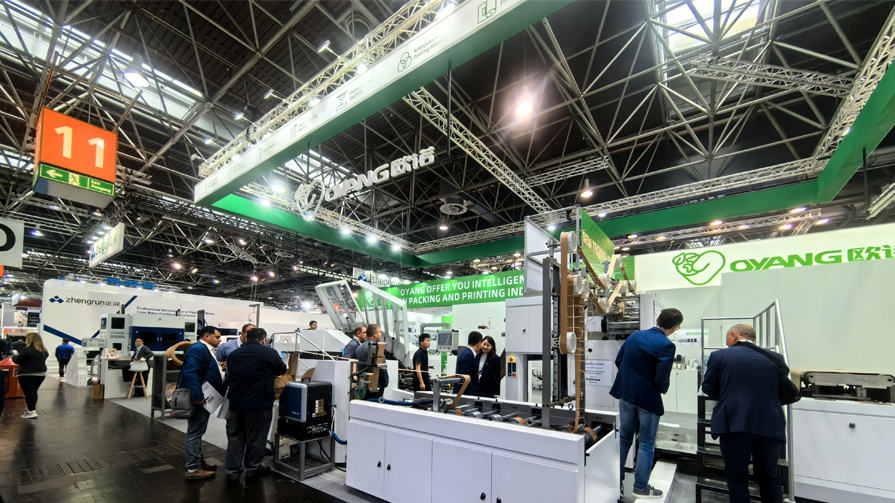
Yesterday, Mr. Li, the boss of a printing factory who was preparing to transition into the paper bag business, came to our factory. After touring the exhibition hall, he pointed to a square bottom bag making machine with the highest configuration, the largest size range, and inline printing and said, "I want this one. It's a one-stop solution, and it can make any kind of bag."
To his surprise, I shook my head and suggested he consider another model with simpler specifications and even a slightly lower price.
Mr. Li was puzzled: "As a manufacturer, why are you promoting the cheaper machines instead of the more expensive ones?"
I told him, "It's easy for me to sell you the machine, but if the bags you make with this machine cost more than others or if the efficiency doesn't improve, you'll end up losing money, and my reputation will be tarnished."
As a bag-making machine manufacturer who has been in the industry for many years, today I want to have an in-depth discussion with you: why is it that sometimes the machine you "have high hopes for" actually isn't suitable for you?
Misconception 1: Falling into the "big and comprehensive" size trap
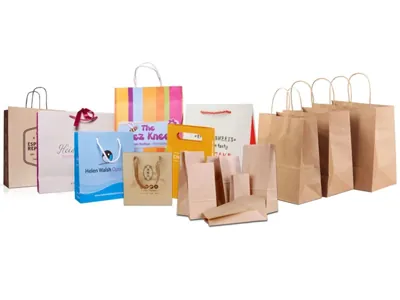
Many novice customers have a beautiful vision: to buy a machine that can make both small french fry bags like KFC and large clothing bags like Uniqlo.
Therefore, they tend to choose machines of **"super-large specifications"**.
Professional truth:
Although the bag-making machine has a size adjustment range (Min-Max), each machine has its own "golden production range".
If a machine designed and produced for large handbags is used to produce small food bags:
The speed cannot be increased: small bags require an extremely high production pace, while large machines have large inertia. Running small bags not only slows down the production, but also consumes more electricity.
Poor stability: When a large machine is used to handle small paper, it's akin to "driving a truck to embroider", prone to issues like misalignment and inaccurate folding, leading to a surge in scrap rates.
My suggestion:
Please first sort out 80% of the potential order sizes you have on hand. If your main battleground is food takeout bags, then purchase a high-speed machine that focuses on small and medium-sized specifications; if it's clothing shopping bags, then consider a large-sized machine. Don't try to use one machine for everything.
Misconception 2: Ignoring the raw material differences between "single sheets" and "rolls"

Some customers, especially those who started their businesses with offset printing, are accustomed to sheet-fed printing and feel that buying a sheet-fed bag-making machine can directly utilize their existing printing equipment.
But when you are dealing with long-term, high-volume orders (such as milk tea bags, bread bags), this can be a big pitfall.
Professional truth:
Single-sheet paper bag making machine: suitable for making premium bags and gift bags, typically using thicker paper (150g+), with a slower speed (60-80 bags per minute) and complex craftsmanship.
Roll-fed bag making machine: suitable for making bags for fast-moving consumer goods, with thinner paper and extremely high speed (200-1000+ bags per minute).
Let's do some math:
If a client asks you to produce 1 million bread bags, with the unit price being set very low.
Using a web-fed printing machine, the entire process can be completed in one day.
Using a single-sheet machine, you have to cut the paper first, then print, and finally fold it on the machine. The cost of manual handling, coupled with low efficiency, may make your cost per bag (Cost Per Bag) higher than the customer's selling price. You're already losing money before you even start.
Misconception 3: Underestimating the cost pressure of "manual stringing"
"The fully automatic machine for attaching handles is too expensive. I'll buy one without handles first, and hire someone to thread the ropes later." - This is the most common compromise I hear.
Five years ago, this logic would have been fine. But now, labor cost is the biggest pain point in manufacturing.
Professional truth:
Let's calculate the labor cost: labor cost = wage of stringing workers + management cost + hidden cost due to inefficiency.
Manual stringing is not only slow, but also results in inconsistent quality. When the order volume reaches over 500,000 units per month, the wage expenditure for hiring workers often suffices to purchase a fully automatic handheld unit within 1-2 years.
More importantly, bags produced by fully automated machines better meet the requirements of high-end brands for "hygiene" and "standardization". If your target customers are high-end chain brands, non-fully automated production lines often fail to even pass the factory inspection.
Conclusion: Choosing the right option is more important than choosing the expensive one
When I recommend machines to customers, the principle I always follow is to maximize ROI (Return on Investment).
If you are aiming for high-end, quality-oriented products, regardless of efficiency, I would recommend the sheet-fed machine model.
If you are producing high-volume takeout bags, I would strongly recommend investing in a high-speed roll-fed machine equipped with inline printing.
The bag-making machine is not a fast-moving consumer good; it is your productivity tool.

As a manufacturer, we not only provide equipment but also aim to offer a production solution that enables you to **"make a profit"**. If you are struggling with model selection or unsure about cost accounting, feel free to leave a message in the background or contact me directly. We will not only discuss the machines but also delve into the business strategies of this industry.